Bringing home a dog is exciting, heartwarming, and occasionally a little chaotic. Between choosing the right food, figuring out a daily dog care routine, and wondering whether your puppy is chewing your favorite shoes out of love or mischief, there’s a lot to learn.
The good news? You don’t have to be a perfect dog parent. Learning the basics of dog primary care, dental care, and everyday wellness can help you avoid common mistakes and give your furry friend a happier, healthier life.
In this guide, we’ll cover 10 common dog care mistakes new owners make, how to take care of a dog properly, things every dog needs, and practical products that can make your routine easier.
A friendly, practical guide for first-time dog owners.
10 dog care mistakes new owners should avoid

1. Skipping regular veterinary checkups
It’s easy to assume your dog is healthy when they’re running around, eating enthusiastically, and greeting everyone like a long-lost friend. But dogs can sometimes hide signs of illness.
Routine veterinary visits help monitor your dog’s weight, teeth, skin, vaccination needs, parasite prevention, and general health.
How to avoid this mistake:
- Schedule an initial veterinary appointment after bringing your dog home.
- Ask about vaccinations, deworming, and parasite prevention.
- Keep a record of appointments and treatments.
- Contact your veterinarian if you notice unusual behavior, appetite changes, or persistent symptoms.
Your veterinarian can also help you create a preventive care schedule suited to your dog’s age and lifestyle.
2. Ignoring dental care
Doggy kisses are adorable. Doggy breath that smells like something crawled into a sock? Not so much.
Dental care is an essential part of keeping your dog healthy. Plaque can accumulate on teeth, irritate gums, and contribute to periodontal disease.
How to avoid this mistake:
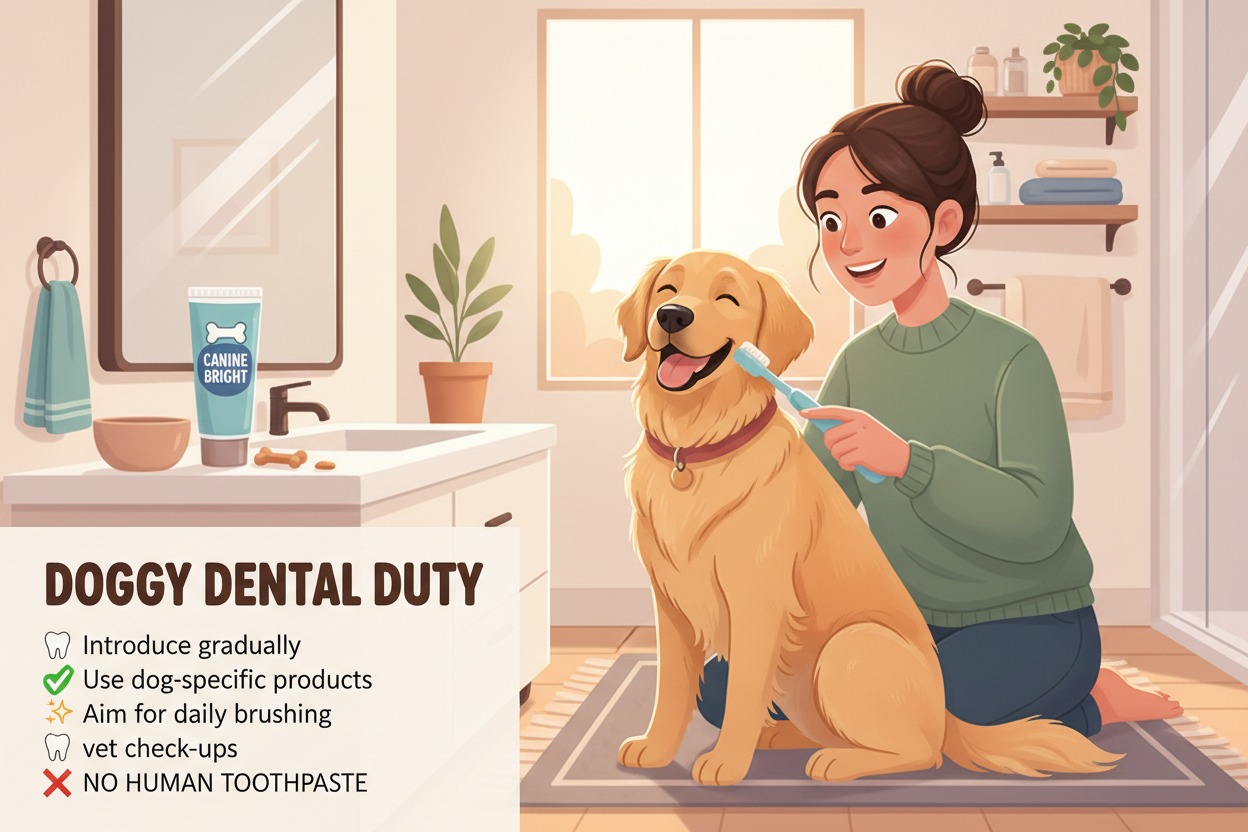
- Introduce toothbrushing gradually and gently.
- Use a toothbrush and toothpaste specifically made for dogs.
- Aim for daily brushing when your dog tolerates it.
- Ask your veterinarian whether your dog needs a professional dental examination or cleaning.
Never use human toothpaste for your dog. Some ingredients, including xylitol in certain products, can be dangerous to dogs.
3. Feeding the wrong amount of food
Those pleading puppy eyes are powerful. Unfortunately, an extra helping every time your dog asks can lead to unwanted weight gain.
Dogs have different nutritional requirements depending on their age, size, activity level, and health.
How to avoid this mistake:
- Choose a complete and balanced dog food appropriate for your dog’s life stage.
- Follow feeding guidance while adjusting portions to your dog’s body condition.
- Measure meals rather than guessing.
- Include treats in your dog’s overall daily calorie intake.
- Ask your veterinarian about appropriate portions.
A healthy feeding routine is more useful than constantly switching foods because a new package looks tempting.
4. Forgetting daily exercise and mental stimulation
A dog who spends the entire day with nothing to do may invent a few activities of their own. Unfortunately, these might include redecorating your sofa with their teeth.
Exercise helps dogs stay active, while mental enrichment gives them opportunities to sniff, explore, learn, and solve problems.
How to avoid this mistake:
- Plan walks appropriate for your dog’s age and physical condition.
- Include short play sessions throughout the day.
- Offer supervised sniffing and exploration.
- Rotate suitable toys and introduce simple food puzzles.
- Give puppies and senior dogs exercise suited to their needs.
Remember that a five-minute training session or an interesting sniffing game can be valuable enrichment, too.
5. Neglecting grooming
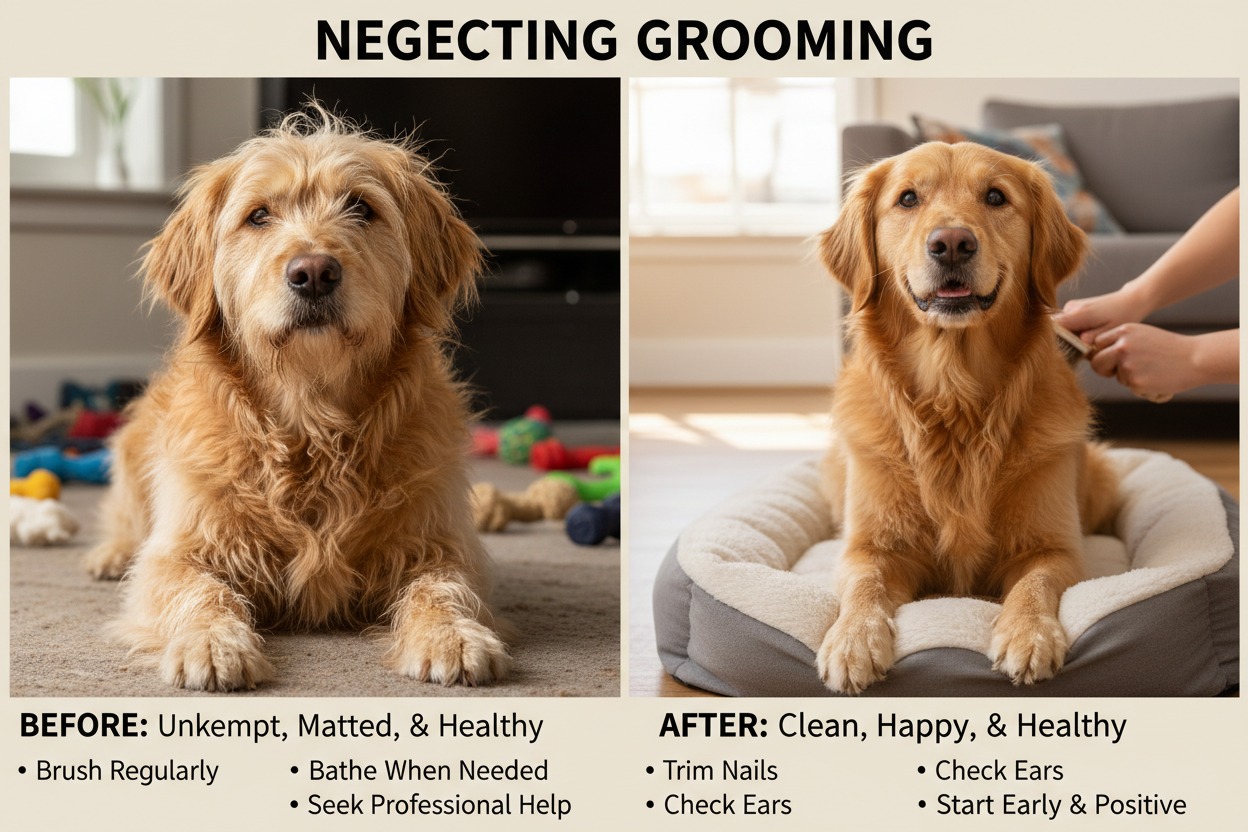
Grooming isn’t just about making your dog look adorable in photographs. Brushing, bathing when needed, nail trimming, and checking the ears can help you notice problems before they become uncomfortable.
Some dogs need frequent brushing to prevent tangles, while others have much lower-maintenance coats.
How to avoid this mistake:
- Brush according to your dog’s coat type.
- Bathe when necessary using dog-safe shampoo.
- Check nails regularly and trim them when needed.
- Look for redness, unpleasant odors, mats, or skin irritation.
- Get professional grooming help if your dog’s coat needs specialist care.
Start handling paws, ears, and grooming tools gently while your dog is relaxed. Small positive experiences can make future grooming much easier.
6. Not creating a consistent daily dog care routine
Dogs benefit from predictable routines. When meals, walks, bathroom breaks, playtime, and bedtime happen at roughly consistent times, many dogs settle into household life more comfortably.
How to avoid this mistake:
Create a simple daily dog care checklist:
Daily dog care checklist
- 0/7 done
- Fresh water available throughout the day
- Meals served at appropriate times
- Bathroom breaks and walks
- Playtime and mental enrichment
- Teeth, coat, paws, and ears checked as needed
- Positive interaction and training
- Comfortable, quiet sleeping area
- Reset checklist
You don’t need to follow a military timetable. A flexible routine that fits your dog’s needs and your household is enough.
7. Using punishment instead of positive training
Dogs don’t automatically understand which household rules matter to us. If your dog jumps on guests, chews a slipper, or barks at the door, punishment may frighten them without teaching them what to do instead.
How to avoid this mistake:
- Reward behaviors you want to see again.
- Teach basic cues such as sit, come, and leave it.
- Redirect chewing toward suitable toys.
- Keep training sessions short and enjoyable.
- Be consistent with household rules.
For example, if your dog jumps when greeting you, reward them when all four paws are on the floor. Make the desired behavior worth repeating.
If your dog shows fear, serious reactivity, or aggression, seek help from a qualified, reward-based trainer or veterinary behavior professional.
8. Leaving dangerous items within reach
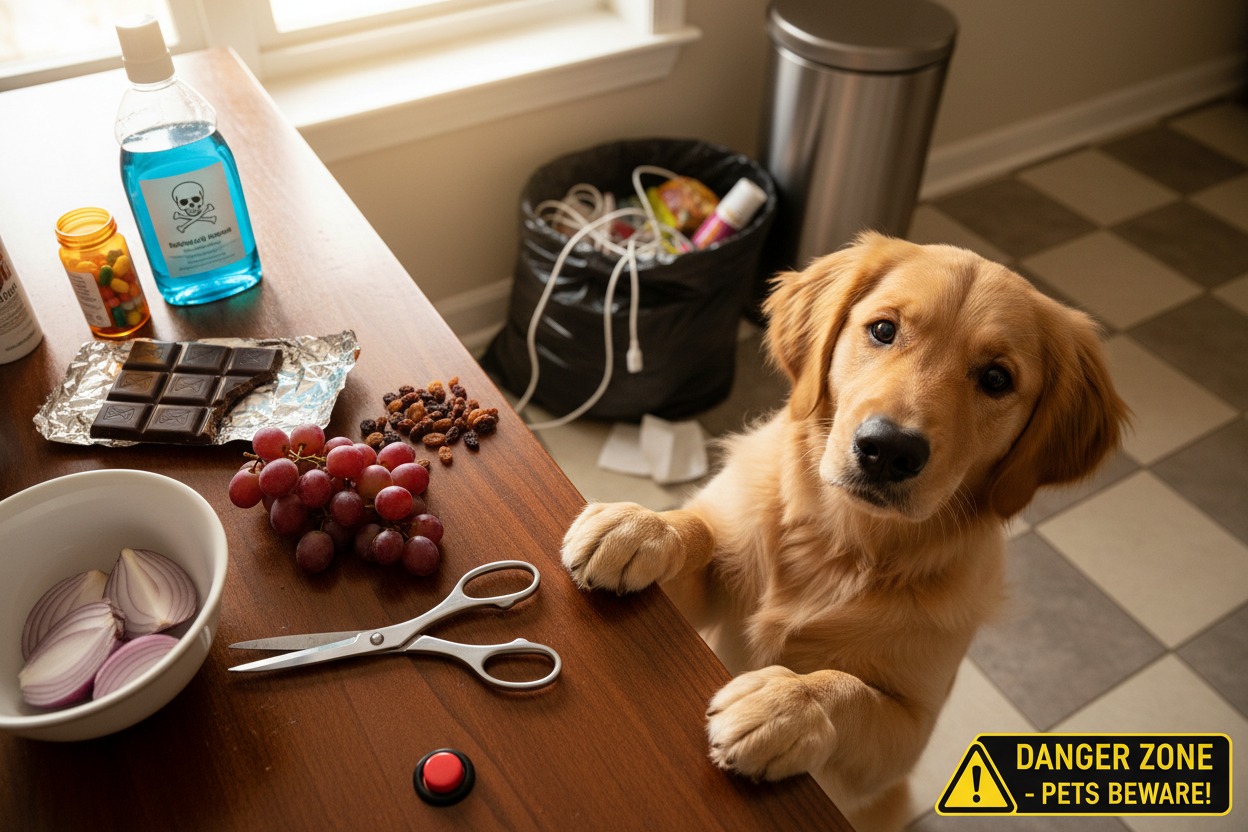
Dogs explore the world with their noses and mouths. That means an innocent-looking kitchen counter, handbag, or bathroom shelf can become a surprisingly interesting collection of hazards.
How to avoid this mistake:
Keep medications, cleaning products, toxic foods, sharp objects, and small swallowable items out of reach. Secure trash cans and check your home for accessible electrical cords and choking hazards.
Foods such as chocolate, grapes, raisins, onions, and products containing xylitol can be dangerous to dogs. If your dog eats a potentially toxic substance, contact a veterinarian or animal poison service immediately rather than waiting for symptoms.
A few minutes of puppy-proofing can prevent a very stressful emergency.
9. Buying products without checking safety or suitability
It’s tempting to buy every cute dog accessory you see online. But a product that’s popular, attractive, or heavily advertised isn’t automatically appropriate for your particular dog.
A harness might not fit properly. A chew toy might be too small. A bed might be uncomfortable for a large senior dog.
How to avoid this mistake:
- Check sizing and adjustability.
- Choose toys suited to your dog’s chewing habits.
- Inspect products regularly for damage.
- Avoid toys with parts that can easily detach and be swallowed.
- Follow manufacturer instructions and supervise unfamiliar toys.
Focus on products that solve an actual problem in your routine instead of filling your home with accessories your dog never uses.
10. Forgetting that dogs need attention and emotional security
Dogs need more than food, shelter, and a walk around the block. They also benefit from companionship, rest, positive interaction, and opportunities to feel safe.
Some new owners expect a dog to adapt immediately to being alone or to tolerate constant handling and attention. Neither expectation is fair to every dog.
How to avoid this mistake:
Spend time learning your dog’s preferences and body language. Give them a quiet place to rest, introduce new experiences gradually, and teach alone-time skills in small, manageable steps.
Avoid forcing interaction when your dog is trying to move away or relax. A dog who can choose when to engage often has an easier time feeling secure at home.
Dog care essentials: products worth considering
A few well-chosen products can make everyday care easier. The most useful purchases usually support feeding, dental hygiene, walking, grooming, and enrichment.
The recommendations below are product categories rather than verified individual product reviews. Compare current models, prices, and ratings before adding affiliate links.
Dog toothbrush and toothpaste
Adjustable harness
Comfortable walks
Slow feeder bowl
Slicker brush or suitable coat brush
Interactive puzzle toy
1. Dog toothbrush and dog-safe toothpaste

Best for: Owners building a regular dental care routine.
Pros
- Supports daily plaque removal.
- Helps establish a healthy grooming habit.
- Can make dental checks more familiar over time.
Cons
- Some dogs need a gradual introduction.
- Brushing takes consistency.
- Not a replacement for professional dental care when needed.
Who it’s for: Almost any dog whose veterinarian recommends home toothbrushing. Choose a suitable brush size and toothpaste formulated specifically for dogs.
2. Adjustable dog harness

Best for: Everyday walks and dogs who need a secure, adjustable walking setup.
Pros
- Distributes leash attachment across a harness rather than a collar alone.
- Adjustable designs can accommodate different body shapes.
- Useful for many everyday walking routines.
Cons
- Poor fit can cause rubbing or restrict movement.
- Some dogs dislike having a harness put on.
- A harness alone doesn’t teach loose-leash walking.
Who it’s for: Owners looking for a well-fitting walking option. Check chest measurements, adjustability, and freedom of shoulder movement before purchasing.
3. Slow feeder bowl

Best for: Dogs who tend to gulp down meals.
Pros
- Can make mealtimes last longer.
- Provides a simple feeding activity.
- Available in different shapes and sizes.
Cons
- Some designs are difficult to clean.
- Not every dog needs one.
- Very determined chewers may damage unsuitable materials.
Who it’s for: Dogs who consistently eat too quickly, provided the bowl is safe, stable, and easy to clean.
4. Coat-appropriate grooming brush

Best for: Regular coat maintenance and preventing tangles where appropriate.
Pros
- Helps remove loose hair and debris.
- Can make grooming more manageable.
- Allows you to check the skin while brushing.
Cons
- The wrong brush can irritate skin.
- Some coat types need specialist tools.
- Matted coats may require professional help.
Who it’s for: Owners who know their dog’s coat type and have chosen a brush suited to it. Ask a groomer for advice if you’re unsure.
5. Interactive puzzle toy

Best for: Mental stimulation and food-based enrichment.
Pros
- Encourages sniffing and problem-solving.
- Offers an activity during quieter parts of the day.
- Can be adjusted to suit different skill levels.
Cons
- Some toys require supervision.
- Complicated puzzles may frustrate beginners.
- Food-based toys need to fit into daily feeding amounts.
Who it’s for: Dogs who enjoy exploring, sniffing, and working for rewards. Start with simple puzzles and supervise until you know how your dog uses the toy.
Buying guide: what to look for in dog care products
Before buying something for your dog, ask yourself whether it is safe, useful, and appropriate for their size and needs.
- Safety: Look for durable construction, suitable materials, and no easily swallowed pieces. No toy is completely indestructible.
- Correct sizing: Check measurements rather than relying only on breed labels or weight ranges.
- Ease of cleaning: Food bowls, puzzle toys, and grooming tools should be practical to maintain.
- Your dog’s preferences: A theoretically perfect toy is not useful if your dog refuses to touch it.
- Real value: Consider how often you’ll use the product, how long it may last, and whether you already own something that serves the same purpose.
For affiliate purchases, check current prices, customer feedback, return policies, and product specifications. Include a clear affiliate disclosure on your website wherever required.
Frequently asked questions
1. How do you take care of a dog every day?
A daily routine generally includes fresh water, appropriate meals, bathroom breaks, suitable exercise, mental stimulation, companionship, and a safe place to rest. Dental care, grooming, and health checks should also be incorporated at appropriate intervals.
2. What are the most important things every dog needs?
Every dog needs nutritious food, clean water, veterinary care, appropriate exercise, a comfortable resting place, safe equipment, positive training, and social interaction suited to their individual temperament.
3. How can I keep my dog healthy?
Start with preventive veterinary care, a balanced diet, a healthy body condition, regular activity, dental hygiene, parasite prevention, and a safe environment. Watch for changes in appetite, behavior, mobility, or bathroom habits, and discuss concerning changes with your veterinarian.
4. What is the biggest mistake new dog owners make?
There isn’t one mistake that applies to every household. However, overlooking a dog’s individual needs—especially health, training, exercise, and emotional security—can make everyday life harder for both the dog and owner. A flexible routine and early professional guidance can help prevent many problems.
Conclusion: building a healthy daily dog care routine
Learning how to take care of a dog doesn’t mean buying everything in the pet store or creating an impossibly strict schedule. It means understanding your dog’s needs and making small, consistent choices that support their health and happiness.
Start with preventive veterinary care, proper nutrition, dental hygiene, appropriate exercise, and positive training. Then build a simple daily dog care checklist that works for your household.
As for products, there’s no universal top pick for every dog. If you’re just starting out, prioritize a dog-safe toothbrush and toothpaste if home brushing is suitable, a properly fitted walking setup, and a few appropriate enrichment toys. Choose each item according to your dog’s actual needs rather than buying a complete collection all at once.
And remember: your dog doesn’t need a flawless owner. They need a caring, observant person who’s willing to learn—and who occasionally forgives a little muddy paw art on the kitchen floor.
Affiliate note: Wonder Nest may earn a commission from qualifying purchases made through affiliate links, at no additional cost to the reader.