
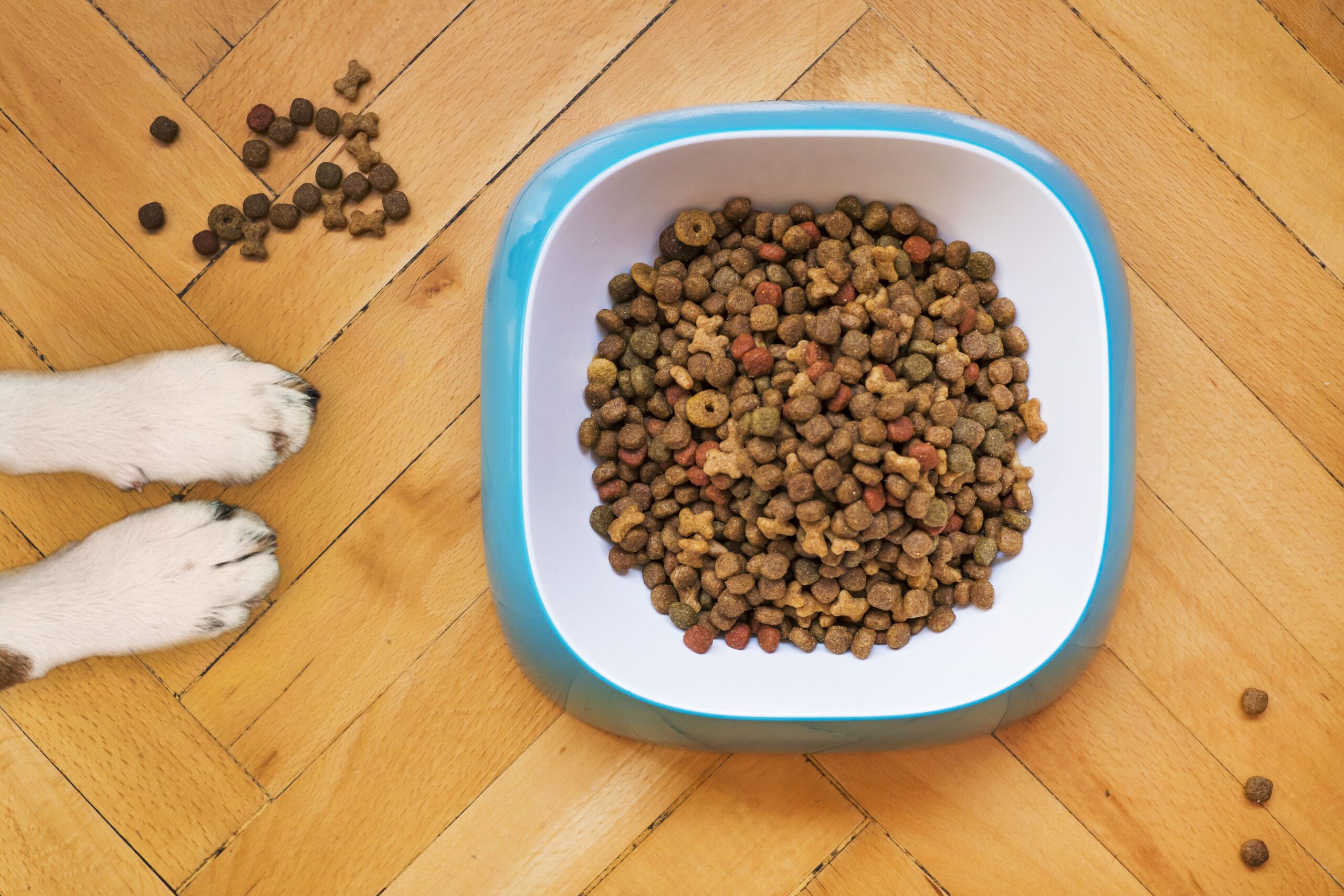
15 Best Foods for Dogs for a Healthy Diet
Our Siberian Husky once howled at a bowl of plain kibble for five straight minutes. Not because she disliked it — but because she felt it lacked presentation. She is dramatic, spoiled, and entirely correct about one thing: dogs eat better when the food is actually good.
Feeding your dog well doesn’t have to mean gourmet cooking or a second mortgage. It means understanding what your dog actually needs — protein, fat, fiber, and a whole lot of common sense. This guide covers 15 foods you can add to your dog’s diet to support their health, plus the ones you should absolutely avoid. We’ll cover everything from gut-boosting pumpkin to lean proteins, and finish with a buyer’s guide and FAQ so you can feed with confidence.
A quick note: these are additions to a complete and balanced diet, not replacements. Always check with your vet before changing what’s in your dog’s bowl.

Quick Comparison: 15 Foods at a Glance
1. Pumpkin (The Gut’s Best Friend)
If your dog has ever had an upset stomach, you’ve probably heard about pumpkin. There’s a reason. Pumpkin is rich in fiber and prebiotics, which feed the good bacteria in your dog’s gut . It also adds bulk to stool, helping with both mild constipation and diarrhea.
How to serve: Plain, unsweetened canned pumpkin or cooked, peeled pumpkin. One to four tablespoons per meal depending on your dog’s size. Never pumpkin pie filling — it contains spices and sometimes xylitol, which is toxic to dogs .
Who it’s for: Dogs with sensitive digestion or irregular bathroom habits.

2. Plain Yogurt (Probiotics in a Spoon)
Yogurt contains live cultures that support healthy gut flora, which aids digestion and immune function . It’s a simple way to add probiotics to your dog’s diet without a supplement.
How to serve: Unsweetened, plain yogurt. One to two tablespoons for small dogs, more for larger dogs. Introduce slowly to avoid digestive upset.
Who it’s for: Dogs who tolerate dairy and could use a gut-health boost. Skip it if your dog is lactose intolerant.
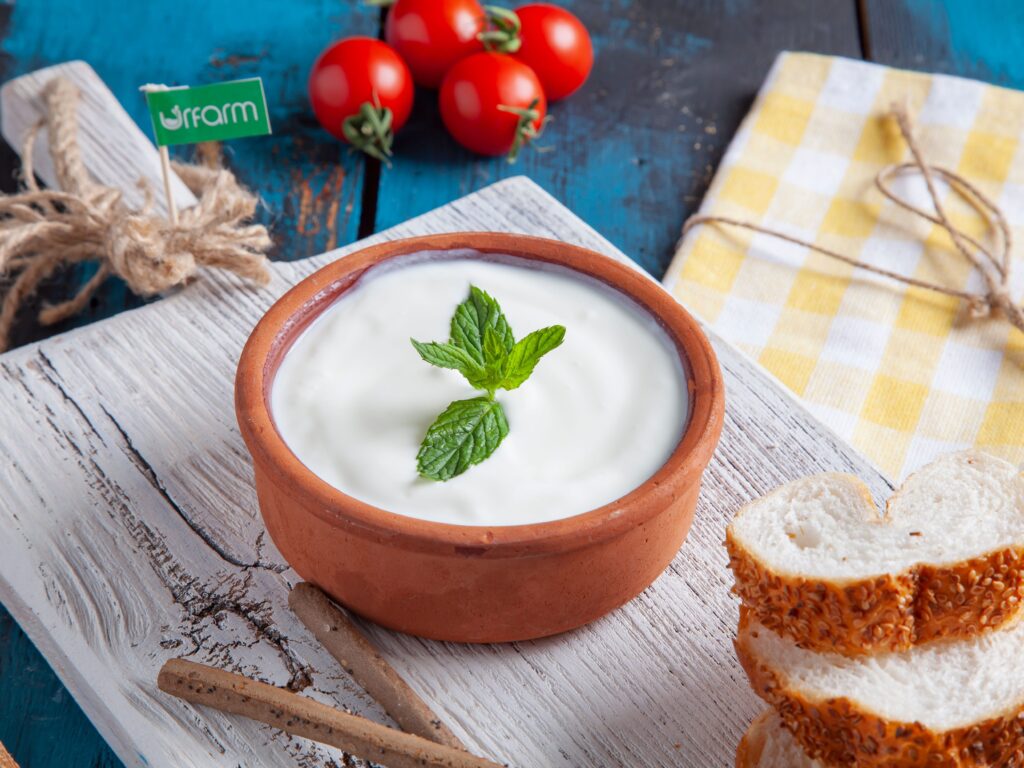
3. Kefir (The Probiotic Powerhouse)
Kefir is a fermented milk drink with even more diverse probiotic strains than yogurt . Think of it as yogurt’s more cultured cousin.
How to serve: One to two tablespoons mixed into food. Start small and watch for any digestive changes.
Who it’s for: Dogs who need a probiotic boost and handle dairy well.
4. Salmon (For a Shiny Coat and Happy Brain)
Salmon is packed with omega-3 fatty acids, which support skin and coat health, reduce inflammation, and contribute to brain function . Many commercial dog foods already include fish for this reason.
How to serve: Cooked, unseasoned salmon, flaked and mixed into food. Avoid raw salmon due to parasite risk. Tuna and swordfish are not recommended due to mercury levels .
Who it’s for: Dogs with dull coats, dry skin, or anyone who wants to add healthy fats.

5. Chicken (The Classic Protein)
Lean chicken is one of the most digestible proteins for dogs and a staple in most commercial diets . It’s a reliable way to add protein without upsetting sensitive stomachs.
How to serve: Cooked, unseasoned, boneless chicken. Never feed cooked bones, which can splinter.
Who it’s for: Almost any dog, unless they have a known chicken allergy (which is more common than grain allergies ).

6. Turkey (Gentle on the Stomach)
Turkey is another lean, easily digestible protein. It’s often used in limited-ingredient diets for dogs with food sensitivities .
How to serve: Cooked, unseasoned, ground or shredded. Mix into regular food or use as a high-value training treat.
Who it’s for: Dogs with sensitive stomachs or protein allergies to chicken or beef.
7. Beef (Iron and Energy)
Lean beef provides iron, zinc, and B vitamins that support energy and muscle maintenance. It’s a richer protein, so it works best as an occasional addition or in small amounts.
How to serve: Lean cuts, cooked and unseasoned, cut into small pieces. Avoid fatty cuts, which can upset digestion.
Who it’s for: Active dogs or those who need a protein boost.
8. Eggs (The Complete Protein)
Eggs are one of the few complete proteins, meaning they contain all the amino acids your dog needs. They’re also affordable and easy to prepare.
How to serve: Cooked (scrambled or hard-boiled), unseasoned. One egg at a time for most dogs. Raw eggs carry salmonella risk.
Who it’s for: Dogs who need a protein boost or a special treat.
9. Carrots (The Crunchy Treat)
Carrots are low in calories and high in fiber and beta-carotene, which supports eye health . They’re also great for chewing, which can help with dental health.
How to serve: Raw baby carrots as treats, or steamed and mashed for older dogs. Cut into safe sizes to avoid choking.
Who it’s for: Dogs who need low-calorie treats or enjoy crunchy snacks.

10. Green Beans (For Fullness Without Calories)
Green beans are a go-to for dogs on weight management plans. They add fiber and bulk without adding many calories, helping your dog feel satisfied .
How to serve: Steamed or canned (no salt), plain. Cut into small pieces. Avoid canned beans with added salt or seasoning.
Who it’s for: Dogs who need to lose weight or those who always act hungry.
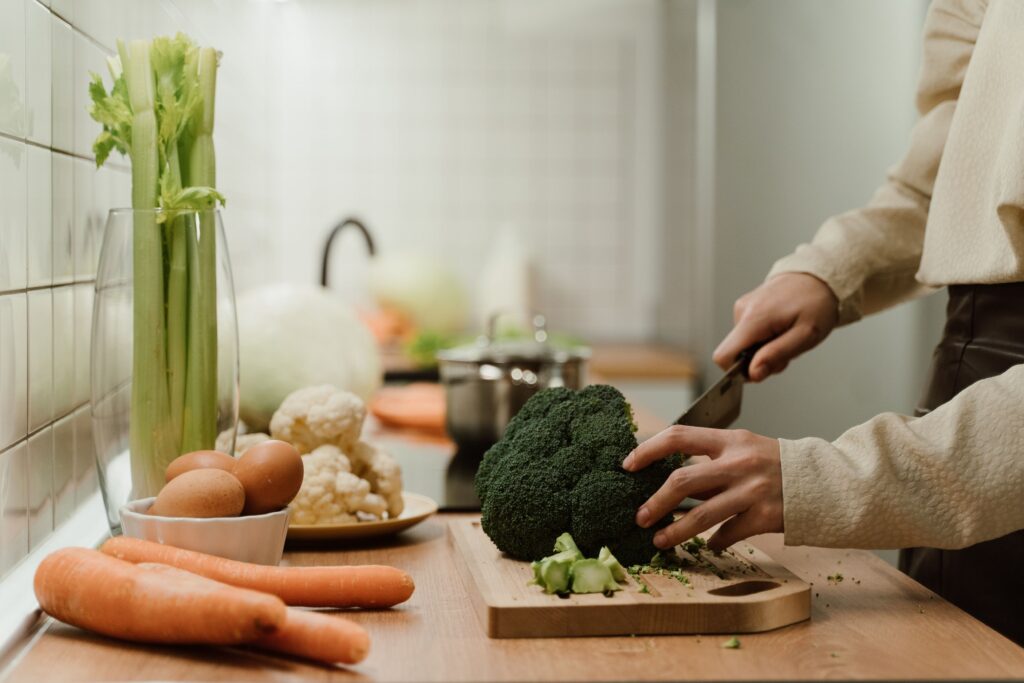
11. Broccoli (Small but Mighty)
Broccoli is rich in antioxidants, fiber, and vitamins. It’s a nutritious addition when served in small amounts . Too much can cause gas, so moderation is key.
How to serve: Steamed and cut into small florets. Running it through a food processor can help break down cell walls for easier digestion .
Who it’s for: Dogs who enjoy vegetables and could use extra nutrients.
12. Spinach (With Caution)
Spinach contains vitamins A, C, K, and roughage that supports digestion . However, it also contains oxalic acid, which can block calcium absorption and cause kidney issues in large amounts. Feed sparingly and only with vet approval .
How to serve: Steamed, plain, in very small amounts. Not a daily food.
Who it’s for: Dogs with no kidney issues, as an occasional nutrient boost.
13. Blueberries (Tiny Antioxidant Bombs)
Blueberries are packed with antioxidants, vitamins, and fiber. They’re a healthy, low-calorie treat that most dogs enjoy.
How to serve: Fresh or frozen, a few at a time. Cut larger berries for small dogs to prevent choking.
Who it’s for: Any dog who enjoys fruity treats.
14. Oatmeal (Gentle Fiber)
Plain oatmeal is a good source of soluble fiber, which supports digestive health and can help with irregularity . It’s also useful for dogs with sensitive skin.
How to serve: Cooked plain oatmeal, cooled. No sugar, no flavoring. A few spoonfuls mixed into food.
Who it’s for: Dogs who need extra fiber or have mild digestive issues.
15. Cottage Cheese (Protein and Calcium)
Low-sodium cottage cheese provides protein and calcium, and many dogs love the taste. It’s a gentle way to add protein for dogs who need a little extra.
How to serve: Low-sodium or no-salt-added cottage cheese, one to two tablespoons. Introduce slowly.
Who it’s for: Dogs who tolerate dairy and need a protein boost.
Foods to Avoid (The “Please Don’t” List)
Some foods are dangerous for dogs. Keep these out of reach:
- Chocolate — contains theobromine, which is toxic
- Grapes and raisins — can cause kidney failure
- Onions and garlic — damage red blood cells
- Xylitol — an artificial sweetener that causes dangerous insulin release
- Macadamia nuts — can cause weakness and tremors
- Alcohol — extremely dangerous
- Raw yeast dough — expands in the stomach and produces alcohol
If your dog eats any of these, contact your vet or an animal poison control service immediately .

Buyer’s Guide: What to Look for in Dog Food and Toppers
Whether you’re choosing a complete diet or adding whole foods, here’s what matters:
Protein first. The first ingredient should be a named meat — chicken, beef, salmon, turkey, or lamb. Not “meat meal” or “poultry by-product.” Real protein supports muscle, energy, and immune function .
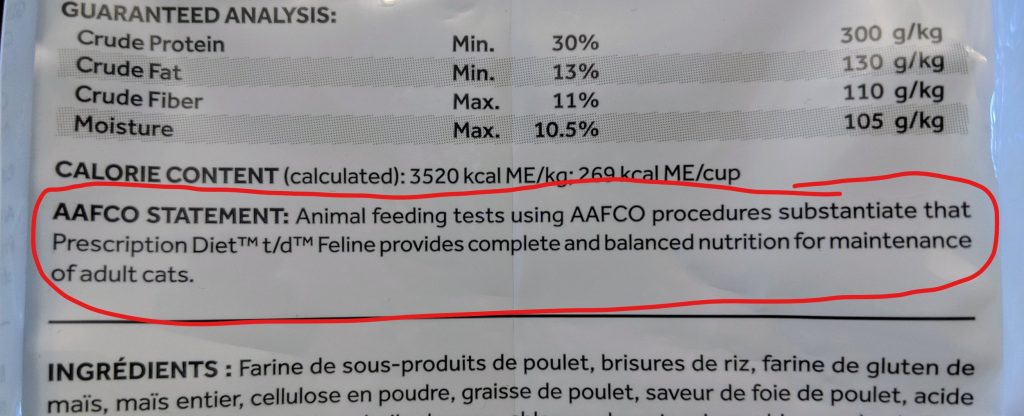
AAFCO statement. Look for a statement on the label confirming the food meets AAFCO nutritional standards for your dog’s life stage. This is the baseline for “complete and balanced” .
Match the life stage. Puppies, adults, and seniors have different needs. Puppies need more calcium and phosphorus. Seniors benefit from joint support and easily digestible proteins .
Grain-free? Think twice. The FDA investigated a potential link between grain-free diets (particularly those high in peas and lentils) and dilated cardiomyopathy (DCM) in dogs. While the investigation ended without a definitive causal link, many vets still recommend caution . Grains like oats, barley, and rice are nutritious and rarely allergenic — protein sources are far more common allergens .
Treats count. Keep treats and toppers to no more than 10% of your dog’s daily calories. A dog who fills up on extras may miss out on complete nutrition .
Transition slowly. If you’re adding new foods or switching diets, do it over 7–10 days to avoid digestive upset .
src.https://www.vetsupply.com.au/
FAQ
Can I feed my dog a homemade diet?
Yes, but it must be balanced. Studies show most homemade diets are not nutritionally complete, which can lead to deficiencies . Work with a veterinary nutritionist if you want to cook for your dog long-term.
Is grain-free food better for dogs?
No. Grain allergies are rare in dogs — protein allergies are far more common . The FDA investigated a potential link between grain-free diets and heart disease (DCM), and while the investigation ended, many vets still recommend caution . Grains like oats and barley are healthy sources of fiber and energy.
How much of these foods can I add to my dog’s diet?
Treats and toppers should make up no more than 10% of your dog’s daily calories . For specific amounts of pumpkin, yogurt, or other additions, ask your vet — it depends on your dog’s size, weight, and health.
What’s the single most important thing for my dog’s diet?
A complete and balanced commercial diet from a reputable brand that meets AAFCO standards . Brands like Purina, Hill’s, Royal Canin, and Iams conduct feeding trials and have veterinary nutritionists on staff — that’s the gold standard .

Conclusion: Feed Well, Keep It Simple
Your dog doesn’t need a fancy diet. They need protein from real sources, fiber from vegetables, healthy fats from fish, and a complete and balanced base diet that meets AAFCO standards. The 15 foods in this guide are excellent additions — pumpkin for digestion, yogurt for gut health, salmon for coat shine, and lean meats for protein.
If there’s one top pick from this list, it’s plain pumpkin. It’s affordable, easy to find, gentle on the stomach, and genuinely useful for both constipation and diarrhea . Keep a can in your pantry. Your dog’s gut will thank you.
And remember: a healthy diet is a partnership with your vet. What works for one dog may not work for another. Watch your dog’s body condition, energy, and coat. Adjust as needed. And forgive the occasional dramatic howl at dinner time — some dogs just have opinions.
Affiliate note: WonderNest may earn a commission from qualifying purchases made through affiliate links, at no additional cost to the reader.