
25 Must-Have Dog Products Every Dog Owner Needs
Our Siberian Husky has a product problem. Not a hoarding problem — a taste problem. She has rejected a $40 bed in favor of the cold tile floor. She has ignored a fancy puzzle toy to chew on a cardboard box. She has, on more than one occasion, looked at us with the kind of judgment usually reserved for food critics. But over the years, we’ve figured out what actually works. And what’s just taking up space.
This guide covers 25 must-have dog products across every category: feeding, walking, grooming, enrichment, and health. We’ll match products to real needs, flag what you can skip, and finish with a buyer’s guide and FAQ. Your dog doesn’t need all twenty-five. They need the right ones for how you live together.
A quick note: every dog is an individual. What works for our Husky might not work for your Chihuahua. Use this as a starting point, not a shopping list.

Quick Comparison: 25 Dog Products at a Glance
| Product | Best For | Category | Price Range |
|---|---|---|---|
| Stainless Steel Bowl | Every dog | Feeding | $10–$25 |
| Slow Feeder Bowl | Gulpers | Feeding | $10–$20 |
| Elevated Feeder | Seniors, large breeds | Feeding | $25–$50 |
| Food Storage Container | Bulk buyers | Feeding | $20–$40 |
| Water Bottle for Walks | Active outings | Hydration | $15–$30 |
| Front-Clip Harness | Pullers | Walking | $25–$45 |
| Two-Handle Leash | Training, reactive dogs | Walking | $20–$35 |
| Retractable Leash | Open spaces (with caution) | Walking | $15–$30 |
| LED Collar | Night walks | Walking | $15–$25 |
| Poop Bag Dispenser | Every walk | Walking | $5–$15 |
| Waste Bag Carriers | Long hikes | Walking | $15–$35 |
| Slicker Brush | Long coats | Grooming | $10–$25 |
| Undercoat Rake | Double coats | Grooming | $15–$30 |
| Nail Clippers/Grinder | Every dog | Grooming | $10–$30 |
| Dog Toothbrush Kit | Dental health | Grooming | $8–$20 |
| Ear Cleaner | Floppy ears, swimmers | Grooming | $10–$20 |
| KONG Classic | Every dog | Enrichment | $10–$20 |
| Puzzle Toy | Smart dogs | Enrichment | $15–$30 |
| Snuffle Mat | Foraging, calming | Enrichment | $15–$30 |
| Treat Pouch | Training | Training | $10–$20 |
| Clicker | Marker training | Training | $3–$8 |
| Crate or Pen | House training, safety | Home | $40–$150 |
| Orthopedic Bed | Every dog | Home | $30–$100 |
| Car Seat Cover/Hammock | Travelers | Travel | $25–$60 |
| First Aid Kit | Emergencies | Safety | $20–$40 |
Feeding & Hydration
1. Stainless Steel Bowl
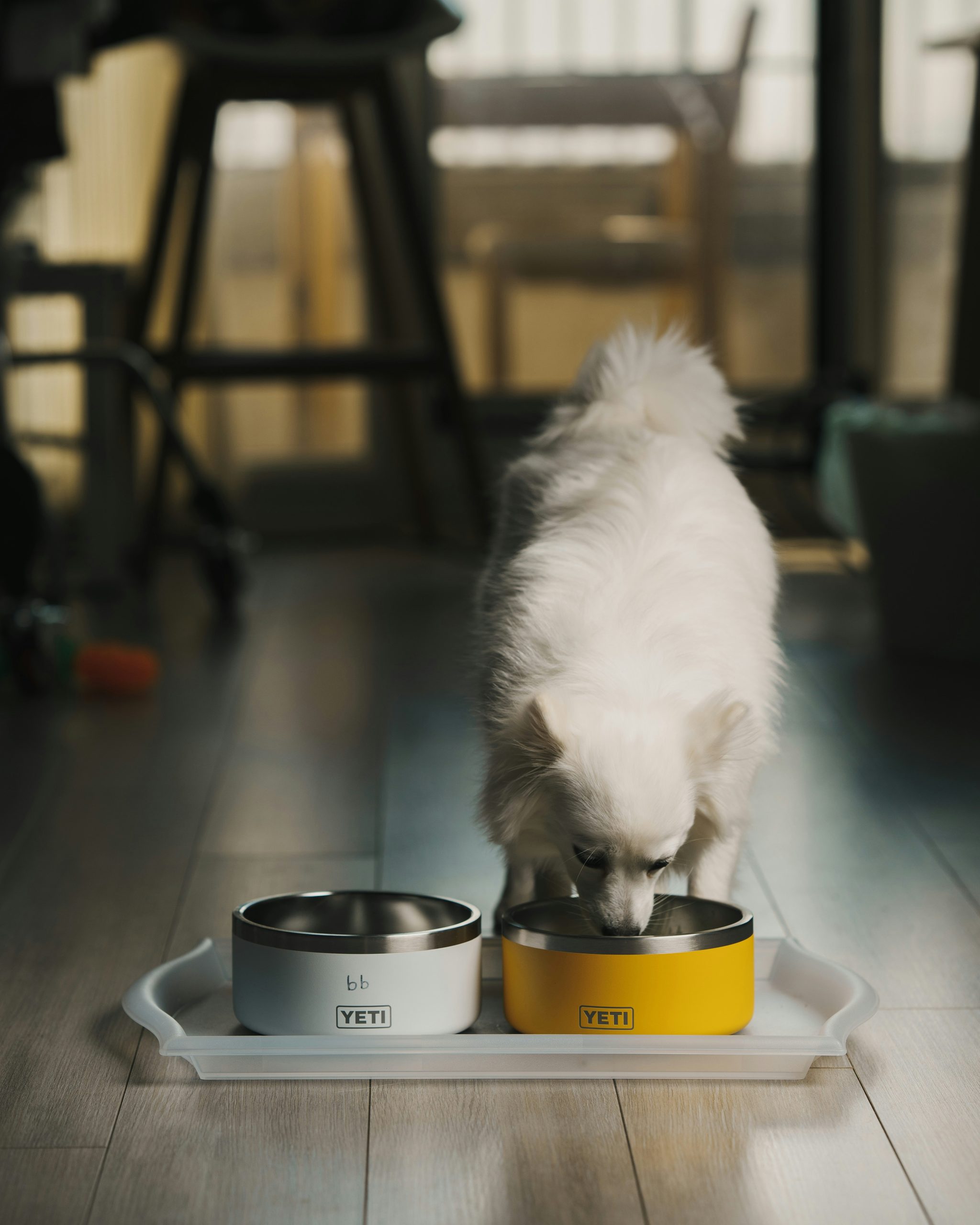
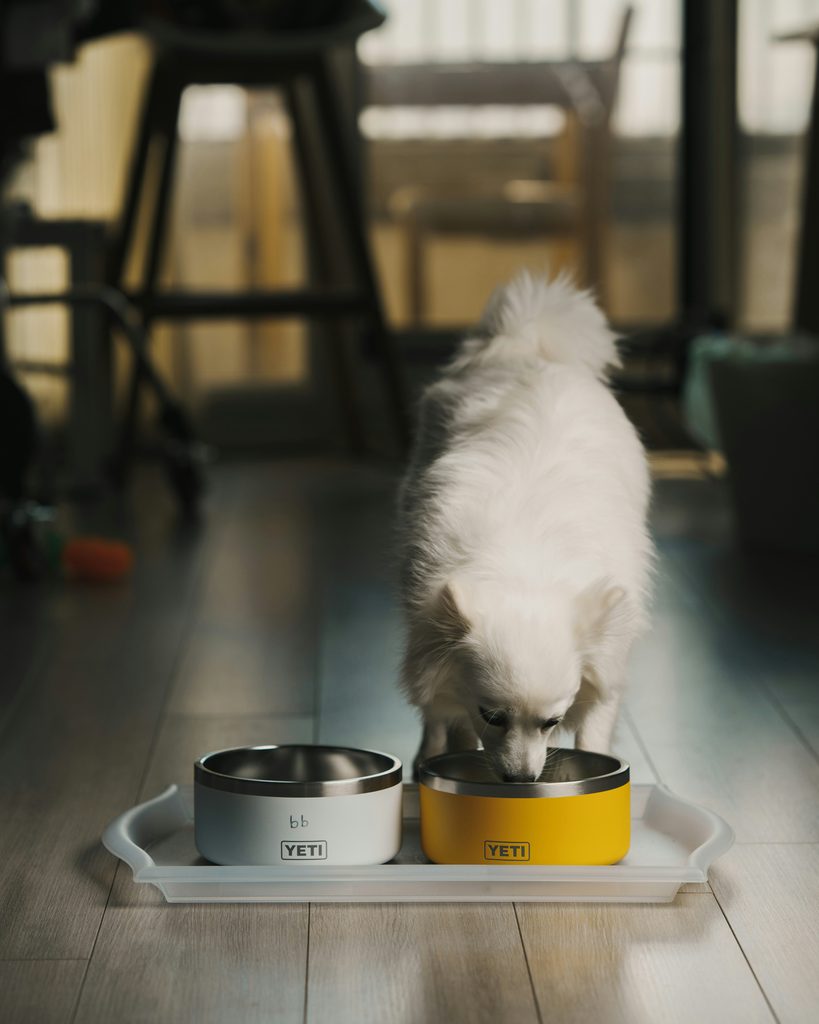
This is the least exciting product on the list, and the most essential. Stainless steel doesn’t harbor bacteria, doesn’t crack, and doesn’t develop weird smells . Ceramic is fine if you like the look, but it chips. Plastic scratches and can irritate some dogs’ skin. Get two: one for water, one for food.
Who it’s for: Every dog. Literally every dog.
2. Slow Feeder Bowl
If your dog inhales their food like they’re in a competitive eating contest, a slow feeder changes mealtime from a race to a puzzle . The ridges and mazes force your dog to work for each bite, which can reduce bloating and vomiting.
Pros: Slows eating; adds mental enrichment; easy to clean (most are dishwasher safe).
Cons: Not all dogs enjoy the challenge; some flip the bowl in frustration.
Who it’s for: Gulpers, dogs who eat too fast, and anyone tired of cleaning up post-meal vomit.

3. Elevated Feeder
Raised bowls can help large breeds and senior dogs eat more comfortably by reducing neck strain . They also make cleanup easier — less bending for you.
Who it’s for: Large breeds, seniors, dogs with arthritis.
4. Food Storage Container
If you buy dog food in bulk, a proper storage container keeps kibble fresh and pests out. Look for airtight seals and wheels if the bag is heavy. Skip the “just pour it into the bag” approach — that defeats the purpose.
Who it’s for: Bulk buyers, multi-dog households.
5. Portable Water Bottle
This is one of those products you don’t know you need until you’re on a hike with a thirsty dog and nothing to give them. A good portable bottle has a built-in trough and a button to release water . Some have compartments for treats and poop bags.
Who it’s for: Hikers, travelers, anyone who walks more than 20 minutes from home.
Walking Essentials
6. Front-Clip Harness
This is the single most impactful piece of gear for dogs who pull . When the leash attaches to the front of the harness, it redirects your dog’s momentum sideways instead of forward. It’s not magic, but it’s close.
Pros: Reduces pulling; safer than collar-only walking; front and back attachment points.
Cons: Fit matters enormously — too loose and it chafes, too tight and it restricts movement.
Who it’s for: Pullers, reactive dogs, anyone whose arm hurts after walks.

7. Two-Handle Leash
A leash with a second handle near the collar (sometimes called a “traffic handle”) gives you instant control when you need it . Walking past another dog? Grab the traffic handle and keep your dog close. Crossing a street? Same. It’s a small design feature that makes a big difference.
Who it’s for: Training, reactive dogs, busy areas.
8. Retractable Leash
These are controversial. Trainers often dislike them because they teach dogs to pull and can be dangerous if dropped. But in open, safe areas with a dog who has solid recall, they give your dog room to explore.
Our take: Use with caution, never near roads, and never with a dog who pulls.
9. LED Collar
If you walk at night or early morning, visibility matters. An LED collar makes your dog easy to spot and adds a layer of safety . Ours glows blue, which makes our Husky look like a tiny, dramatic alien.
Who it’s for: Night walkers, early risers.
10. Poop Bag Dispenser
You need one. You’ll forget it. Get one that clips to your leash and holds a roll. Earth Rated bags are a popular choice because they’re thick, leak-proof, and come in a lavender scent that makes an unpleasant task slightly less unpleasant .
Who it’s for: Everyone with a dog and a conscience.
11. Waste Bag Carrier
For long hikes where there are no trash cans, a waste bag carrier keeps the used bag contained and away from your body . It’s a small luxury, but once you’ve hiked a mile with a warm bag swinging against your leg, you’ll understand.
Who it’s for: Hikers, trail walkers.
Grooming Tools
12. Slicker Brush
A slicker brush removes loose hair, detangles, and reaches through the coat to the skin . It’s the workhorse of home grooming. For long coats, follow with a metal comb to check your work.
Who it’s for: Medium to long coats.
13. Undercoat Rake
If you have a double-coated breed — Husky, German Shepherd, Golden Retriever — you need an undercoat rake. Regular brushes skim the surface. A rake reaches the dense undercoat and removes the loose fur before it ends up on your furniture . We could knit a second Husky with what ours produces.
Who it’s for: Double-coated breeds.

14. Nail Clippers or Grinder
Overgrown nails affect gait and cause pain. Clippers are faster; grinders are gentler and better for black nails where the quick is hard to see. Either way, keep styptic powder on hand for accidents.
Who it’s for: Every dog. Yes, even the dramatic ones.
15. Dog Toothbrush Kit
Dental disease is the most common health problem in dogs. Brushing is the best prevention . A finger brush is easiest for beginners; a traditional brush reaches more surfaces. Use enzymatic toothpaste — never human toothpaste, which contains xylitol.
Who it’s for: Every dog whose owner values their teeth.
16. Ear Cleaner
Floppy-eared dogs and swimmers are prone to ear infections. A vet-approved ear cleaner and cotton balls are all you need for routine maintenance. Never use cotton swabs.
Who it’s for: Cocker Spaniels, Basset Hounds, water lovers.
Enrichment & Play
17. KONG Classic
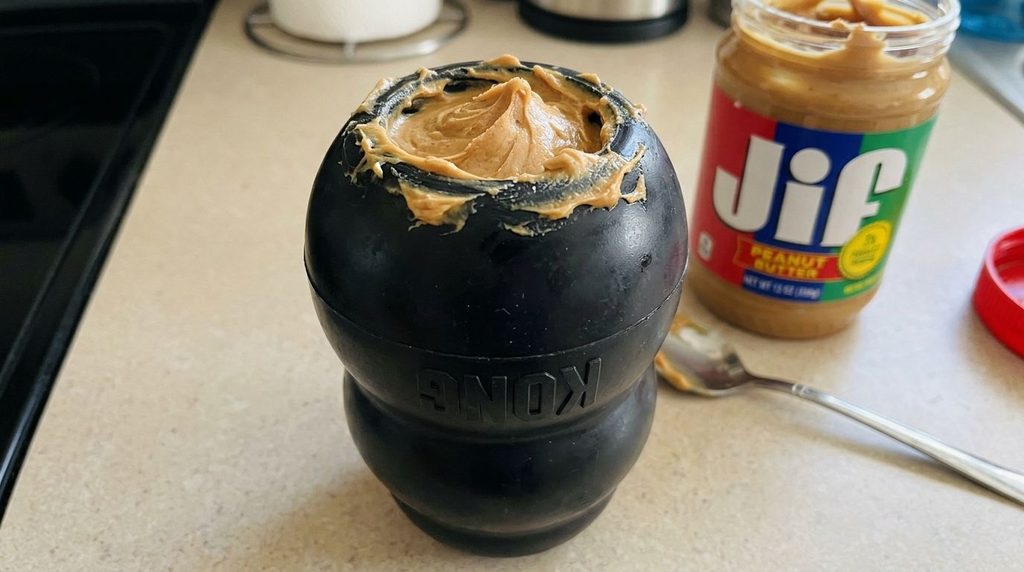
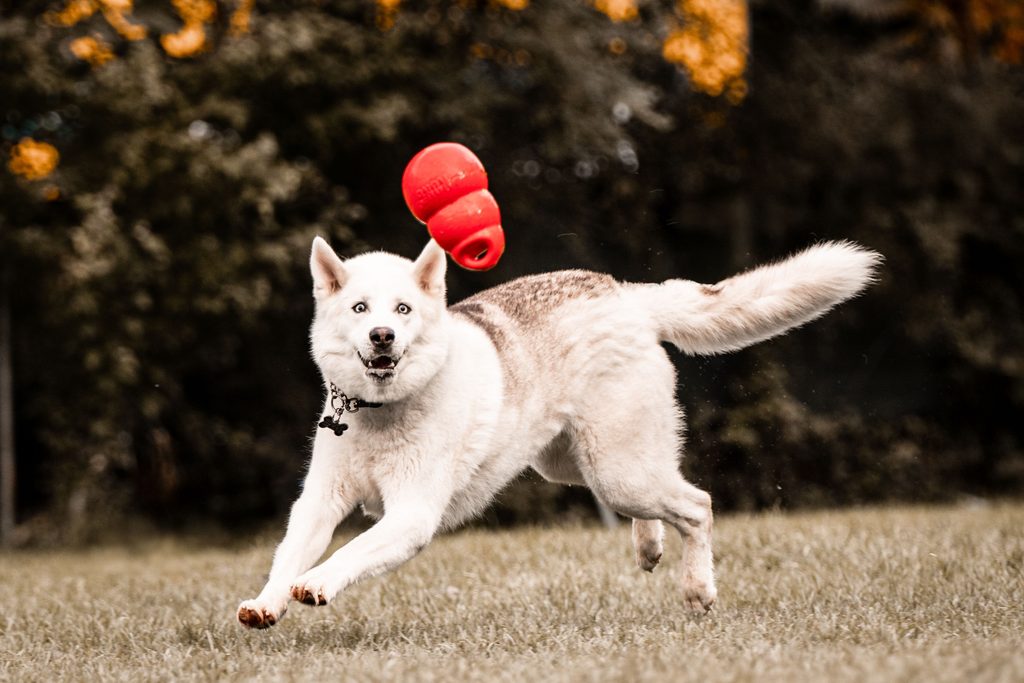
The KONG is the most versatile toy you can buy. Stuff it with peanut butter, freeze it, and it becomes a long-lasting project. It’s durable enough for most chewers and dishwasher safe for easy cleaning . Ours has three, and she knows which one has treats.
Who it’s for: Every dog.
18. Puzzle Toy
Puzzle toys provide mental stimulation, which is just as important as physical exercise . They reduce boredom, anxiety, and destructive behavior. Start with easy puzzles and work up.
Who it’s for: Smart dogs, bored dogs, dogs who need a job.
19. Snuffle Mat
A snuffle mat taps into your dog’s natural foraging instincts. You hide treats in the fabric folds, and your dog roots them out . It’s calming, enriching, and surprisingly tiring in a good way.
Who it’s for: Scent-driven dogs, fast eaters, anxious dogs.
Training Tools
20. Treat Pouch
A treat pouch keeps rewards accessible during training. You can’t dig through a pocket while your dog is waiting for a cue. Look for one with a magnetic closure and a belt clip .
Who it’s for: Anyone doing training.
21. Clicker
A clicker marks the exact moment your dog does the right thing. It’s faster and more precise than saying “yes” . Pair it with treats, and you have a powerful training system.
Who it’s for: Formal training, trick training, precision work.
Home & Travel
22. Crate or Exercise Pen
A crate isn’t a cage. It’s a den. Used correctly, it’s a safe space where your dog can relax and where they can’t get into trouble while you’re away. An exercise pen serves a similar purpose for puppies who need more room .
Who it’s for: Puppies, dogs who need boundaries, travelers.
23. Orthopedic Bed
A good bed supports joints and gives your dog a place that’s theirs. Orthopedic foam is especially important for seniors and large breeds. Ours rejected three beds before settling on a simple orthopedic mat. Dogs have opinions.
Who it’s for: Every dog, especially seniors and large breeds.
24. Car Seat Cover or Hammock
If your dog rides in the car, a seat cover protects your upholstery from fur, mud, and drool . A hammock-style cover also keeps your dog from sliding into the footwell.
Who it’s for: Anyone who travels with their dog.

25. First Aid Kit
You hope you’ll never need it. You will. A dog-specific first aid kit should include gauze, vet wrap, antiseptic wipes, tweezers, a tick removal tool, and a emergency contact card for your vet and a poison control hotline . Keep it in your car or by the door.
Who it’s for: Every dog owner.
Buyer’s Guide: What to Look For in Dog Products
Safety first. No toy is indestructible. Check for small parts that can detach and be swallowed. Avoid toys that are so hard you can’t dent them with your fingernail — they can crack teeth .
Fit matters more than brand. A harness that doesn’t fit correctly causes chafing and restricts movement. A bed that’s too small is just an expensive floor mat. Measure your dog, read the sizing charts, and return things that don’t work .
Consider your dog’s preferences. A theoretically perfect toy is useless if your dog ignores it. Ours rejects anything that doesn’t smell like peanut butter. Know your dog.
Buy for the life you have, not the life you want. If you don’t hike, you don’t need a waste bag carrier. If your dog never leaves the backyard, you might not need a car hammock. Start with the essentials and add as needs arise.
Check the reviews. Thousands of reviews from real dog owners are more valuable than marketing claims. Look for patterns — repeated complaints about durability or fit are red flags .
Rotate and inspect. Even the best products wear out. Inspect toys regularly for damage and replace anything that’s breaking down.

FAQ
What are the absolute must-haves for a new dog owner?
Food and water bowls, a leash, a collar or harness with ID tags, a crate or bed, poop bags, and a few toys . Everything else is nice-to-have, not essential.
What’s the best harness for a dog who pulls?
A front-clip harness is the most effective tool for reducing pulling . The Ruffwear Front Range is a popular choice because it fits like a vest and has front and back attachment points. Fit is critical — a loose harness doesn’t help.
Do I really need a slow feeder bowl?
If your dog eats so fast they vomit or gulp air, yes . If your dog eats at a normal pace, you can skip it. It’s a solution for a specific problem, not a universal need.
What’s the most useful product you own?
For us, it’s the KONG. It’s the one toy that works for every mood — chewing, treats, distraction, enrichment. But the real answer is: the product that solves your dog’s specific problem. If your dog pulls, it’s the harness. If your dog sheds, it’s the undercoat rake.
Conclusion: Start With the Essentials, Build From There
If you’re new to dog ownership, don’t buy everything at once. Start with the basics: bowls, a leash, a harness, a crate or bed, poop bags, and one or two toys. Then pay attention to what your dog actually needs. Does your dog pull? Get a front-clip harness. Does your dog shed enough to stuff a mattress? Get an undercoat rake. Does your dog eat like they’ve never seen food before? Get a slow feeder.
The best dog products aren’t the most expensive or the most popular. They’re the ones that solve a real problem in your daily life. Our Husky doesn’t need a $60 bed. She needs a cold tile floor and a KONG with peanut butter. We learned that the hard way.
And remember: your dog doesn’t care about brands or price tags. They care about you. Everything else is just details.
Affiliate note: WonderNest may earn a commission from qualifying purchases made through affiliate links, at no additional cost to the reader.