Dog Behavior 101: Understanding Your Dog’s Body Language
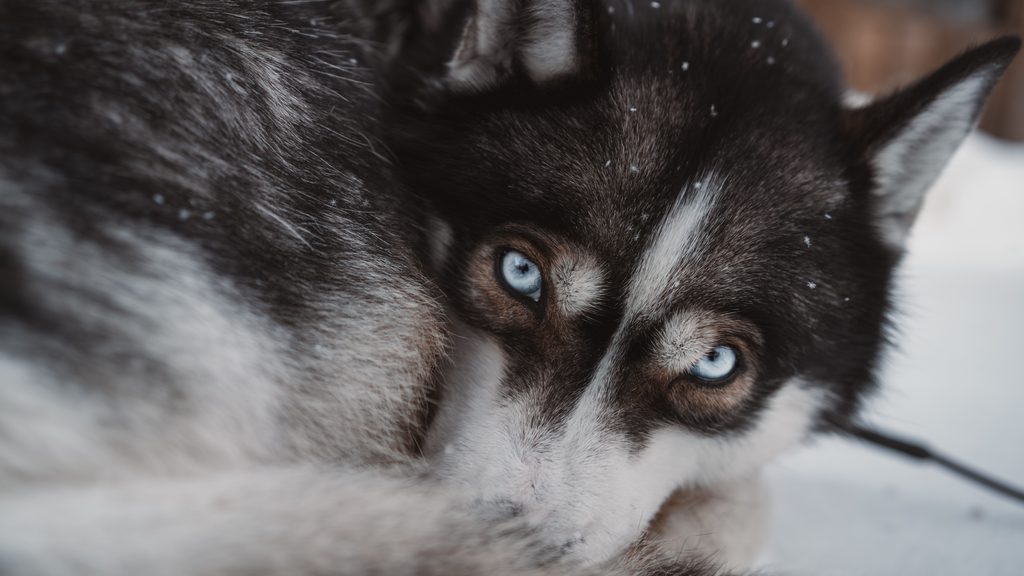
Our Siberian Husky has a stare that could cut glass. She’ll sit across the room, lock eyes with us, and refuse to blink for what feels like minutes. At first, we thought something was wrong. Then we realized — it was dinner time, and she was simply reminding us that we were late. Again.
Dogs can’t tell us what they’re thinking. But they can show us. Every ear twitch, tail wag, and sideways glance is a form of communication, and once you learn to read it, your relationship with your dog changes. This guide covers the basics of dog body language — what the signals mean, how to tell the difference between “I’m happy” and “I need space,” and why your dog stares at you like you owe them money. By the end, you’ll speak fluent Dog.
A quick note: every dog is an individual. Breed, personality, and past experiences all shape how a dog communicates. This guide is a starting point, not a rulebook.
Quick Comparison: Body Language Signals at a Glance
| Signal | Likely Meaning | What to Look For | What to Do |
|---|---|---|---|
| Soft, relaxed eyes | Happy, content | Squinty or almond-shaped eyes, no tension | Enjoy the moment |
| Hard, fixed stare | Uncomfortable, warning | Round eyes, dilated pupils, stiff body | Give space, don’t stare back |
| Relaxed tail wag | Friendly, aroused | Wide, loose sweeps, whole body wagging | Safe to approach |
| Stiff, high tail | Alert, possibly aggressive | Tail held up like a flag, tight wag | Caution — assess the whole dog |
| Tucked tail | Fearful, stressed | Tail between legs, body lowered | Remove the stressor |
| Play bow | Invitation to play | Chest down, rump up | Engage if you want |
| Lip licking, yawning | Stress, appeasement | In non-tired contexts | Check the environment |
| Whale eye (whites showing) | Anxious, uncomfortable | Whites visible, head turned away | Back off gently |
1. The Eyes: Windows to Your Dog’s Mood
If you only have time to look at one body part, look at the eyes. Dogs communicate a surprising amount through their gaze .
Soft, relaxed eyes are a sign of a happy, comfortable dog. The eyes might be slightly squinted or almond-shaped, with no tension around the brow . This is the look your dog gives you when they’re curled up on the couch, content with the world.
A hard stare is different. This is a fixed, unblinking look with round eyes and dilated pupils, often accompanied by a stiff body . It’s not affection — it’s a warning. A dog giving a hard stare is uncomfortable and may be preparing to escalate if the situation doesn’t change. If you see this, don’t stare back. Give them space .
Whale eye — when you can see the whites of your dog’s eyes — is a classic sign of anxiety. The dog is often turning their head away while keeping their eyes on the trigger . It means “I’m uncomfortable.” Remove whatever is causing it, if you can.

2. The Tail: More Than Just Wagging
We’ve all been told a wagging tail means a happy dog. That’s only half true. A wagging tail means a dog is aroused — it could be excitement, but it could also be frustration or anxiety .
What to look at: The speed, height, and looseness of the wag.
A relaxed tail wag is wide and loose. The whole back end might wag along with it. The tail is in its natural position (which varies by breed) or held slightly lower. This is a friendly, happy dog .
A high, stiff tail held up like a flag is a sign of confidence or arousal. If the wag is tight and fast, and the body is stiff, the dog may be on alert — possibly preparing to react .
A tucked tail is one of the clearest signs of fear. The dog is making themselves smaller, and the tail is pressed between their legs. This dog needs space and reassurance, not forced interaction .
3. The Ears: Reading the Radar
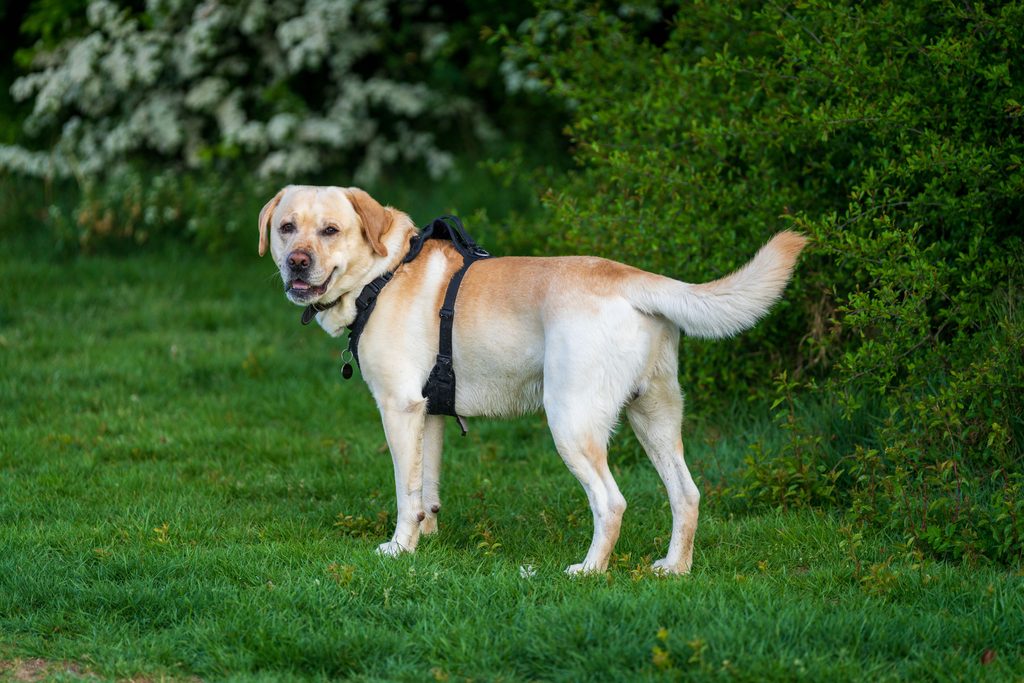
Ears are expressive — but only if you know your dog’s natural ear position. A Husky’s ears sit upright and alert. A Basset Hound’s ears hang low. The key is noticing when they move from their normal .
Forward and relaxed usually means alert, interested, or happy. The dog is paying attention to something pleasant .
Pulled back or flattened signals fear, submission, or stress. If the ears are pinned flat against the head, the dog is frightened or uncomfortable .
Rotated sideways (“airplane ears”) often means the dog is relaxed, playful, or conflicted. It’s a softer signal than full flattening .

4. Body Posture: The Big Picture
How your dog holds their body tells you a lot about their emotional state.
Relaxed posture means loose, soft muscles. The dog’s weight is evenly distributed, and their movements are wiggly and easy . This is a comfortable dog.
Stiff, tense posture means the opposite. The muscles are tight, the spine is straight, and the weight might be shifted forward (ready to act) or backward (ready to retreat) . A stiff dog is not a relaxed dog — even if their tail is wagging.
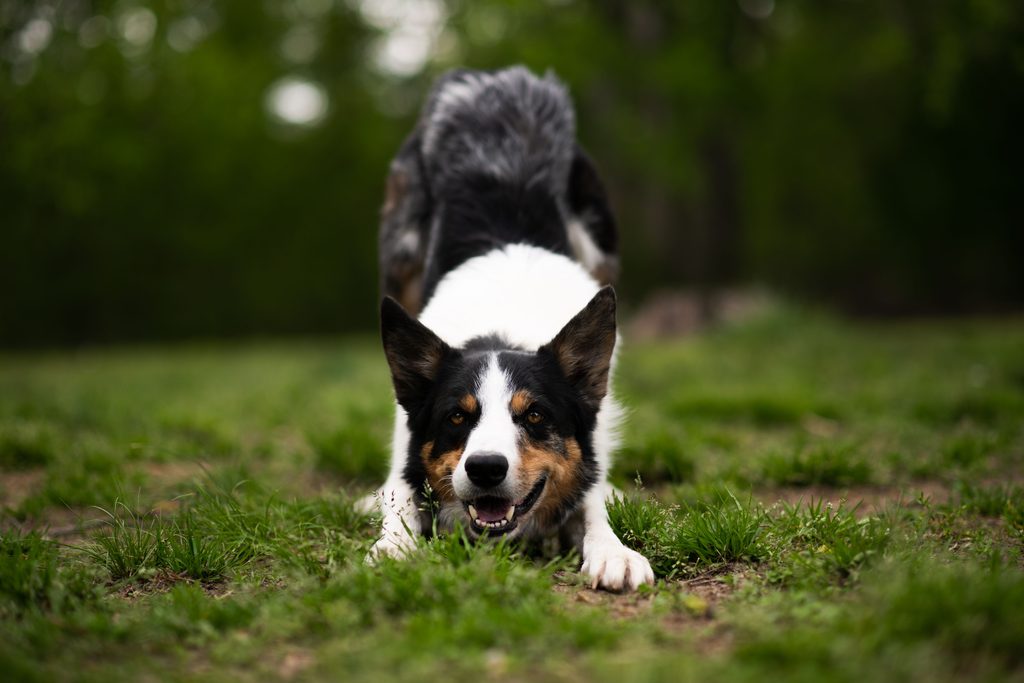
A play bow — chest down, rump up — is one of the easiest signals to read. It means “let’s play!” . You’ll see it between dogs, and your dog might offer it to you, too.
Rolling onto the back can be confusing. In a relaxed dog, it’s an invitation for belly rubs. In a stressed dog, it’s an appeasement gesture — “I’m not a threat” — and may be accompanied by a tucked tail or submissive urination .
5. The Stare: Why Does Your Dog Look at You Like That?
You know the look. You’re watching TV, eating dinner, or just existing, and you feel eyes on you. Your dog is staring. What does it mean?
Most of the time, it’s completely normal . Dogs stare at us for several reasons:
They want something. Food, a walk, attention, or a belly rub. Dogs learn quickly that staring gets results. If every time your dog stares at you, you eventually give in, you’ve taught them that staring works .
They love you. Yes, really. Studies have found that mutual gazing between dogs and their humans releases oxytocin — the “feel-good” bonding hormone — in both species . A relaxed dog with soft eyes staring at you is likely saying “you’re my favorite person.”
They’re reading you. Dogs are masters at picking up our cues. They watch our body language, our facial expressions, and our habits to figure out what’s coming next. Are you reaching for your keys? That might mean a walk. Are you heading to the kitchen? Maybe food .
They’re confused. If you’ve just asked your dog to do something and they’re staring blankly, they might not understand the cue. They’re waiting for more information .
They’re uncomfortable. A hard, unblinking stare with a stiff body is a different story. This is a warning sign. Don’t stare back, and give the dog space .

6. Calming Signals: The Subtle Art of “I’m Not a Threat”
Dogs have a whole vocabulary of subtle behaviors designed to defuse tension and communicate discomfort without confrontation. These are called calming signals .
Common calming signals include:
- Lip licking or nose licking (when not eating)
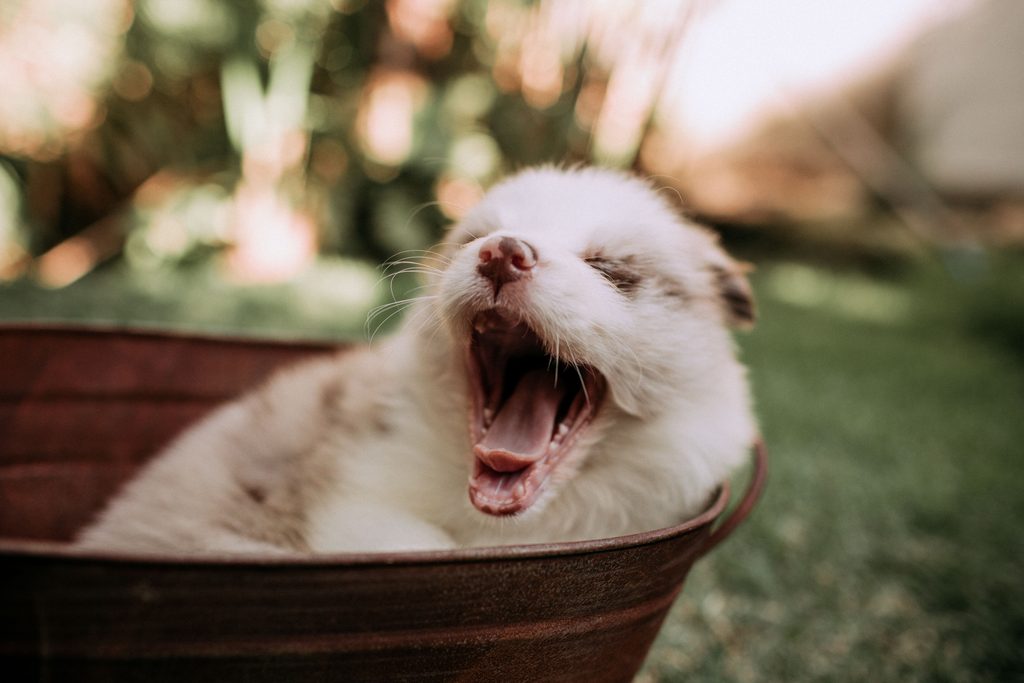
- Yawning (when not tired)
- Turning the head away or averting the gaze
- Sniffing the ground suddenly
- Scratching (when not itchy)
- Slow blinking
- Shake-offs (like a wet dog shake)
These behaviors mean your dog is unsure or uncomfortable. If you see them, pay attention. They’re telling you something. Ignoring calming signals can lead to escalation — a dog who feels unheard may eventually growl or snap .
7. Green, Yellow, and Red: A Simple Framework
One of the easiest ways to read dog body language is the green/yellow/red system, developed by researchers at Purdue University .
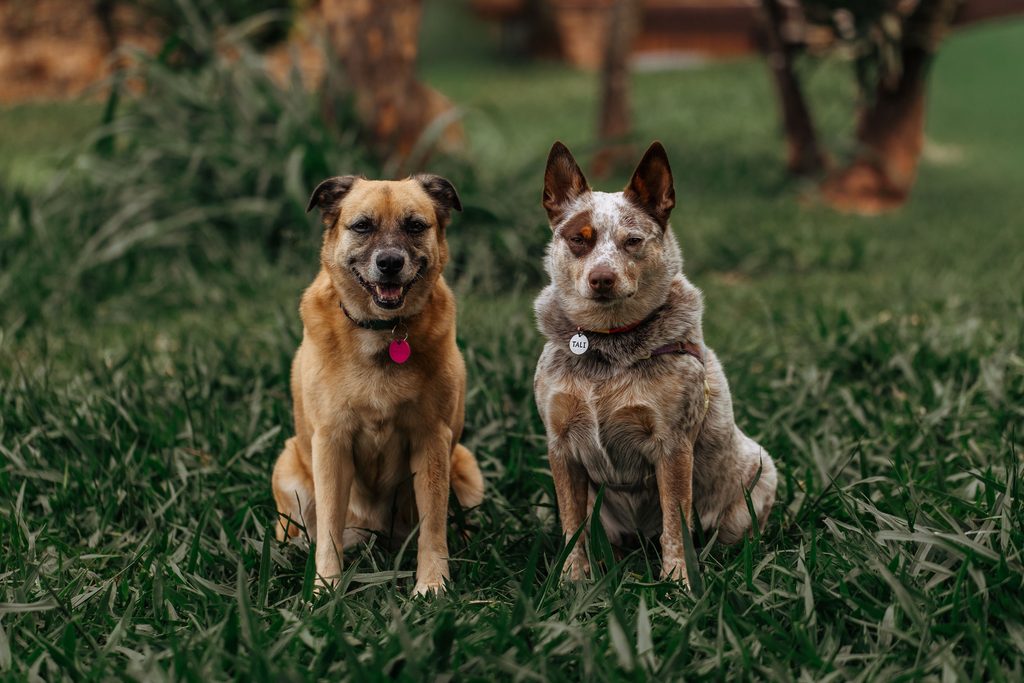
Green dogs are relaxed, friendly, and comfortable. Soft eyes, loose body, wagging tail, ears in a natural position. These dogs are safe to approach and interact with.
Yellow dogs are unsure, stressed, or fearful. They may have their tail tucked, ears back, and head lowered. They might turn away, lip lick, or yawn. They’re not dangerous, but they need space. Don’t force interaction .
Red dogs are highly fearful or reactive. They may freeze, stare hard, growl, or try to flee. They are not safe to approach. Give them distance and let a professional handle the situation if needed .
The framework isn’t perfect — every dog is an individual — but it gives you a starting point for assessing a situation quickly.
FAQ
Why does my dog stare at me when I eat?
This is usually a request. Your dog has learned that staring at you during meals sometimes results in dropped food or a shared bite. It’s their version of asking politely . If you don’t want to encourage it, avoid feeding from the table and reward them for settling elsewhere.
Why does my dog stare at nothing?
Sometimes it’s nothing to worry about — they might have heard something you can’t. But if your dog frequently stares into space or at walls, and especially if they seem disoriented, it’s worth mentioning to your vet. This behavior can sometimes be linked to age-related cognitive changes or other health issues .
Why does my dog stare at me and then look away?
This is often a sign of appeasement or uncertainty. Your dog is checking in with you, then breaking eye contact to signal they’re not a threat. It’s a polite, submissive gesture .
Is it bad to stare back at my dog?
It depends on the context. Staring into the eyes of a relaxed dog can deepen your bond — the oxytocin release works both ways . But staring at an unfamiliar dog, or a dog who is already tense, can be perceived as a threat. Avoid direct eye contact with dogs you don’t know, especially if they’re showing signs of fear or stress .
Conclusion: Learn the Language, Build the Bond
Understanding your dog’s body language isn’t about becoming a dog psychologist. It’s about paying attention. It’s about noticing the difference between a relaxed wag and a tense one, between a soft gaze and a hard stare. It’s about recognizing when your dog is saying “I’m happy” versus “I need space.”
Start with the eyes and the tail — they’re the most expressive parts. Then work on the ears and posture. And remember: context matters. A tucked tail during a thunderstorm means something different than a tucked tail during play .
If there’s one takeaway, it’s this: look at the whole dog. A wagging tail doesn’t cancel out a stiff body. A relaxed mouth doesn’t mean the hard stare is friendly. Dogs communicate with their entire selves, and the more you practice reading them, the more fluent you become.
And if your dog stares at you while you eat dinner, now you know: they’re not judging you. They’re just hoping you drop something.
Affiliate note: WonderNest may earn a commission from qualifying purchases made through affiliate links, at no additional cost to the reader.