
50 Popular Dog Breeds: A Gentle, Honest Guide to Size, Personality, and Daily Life
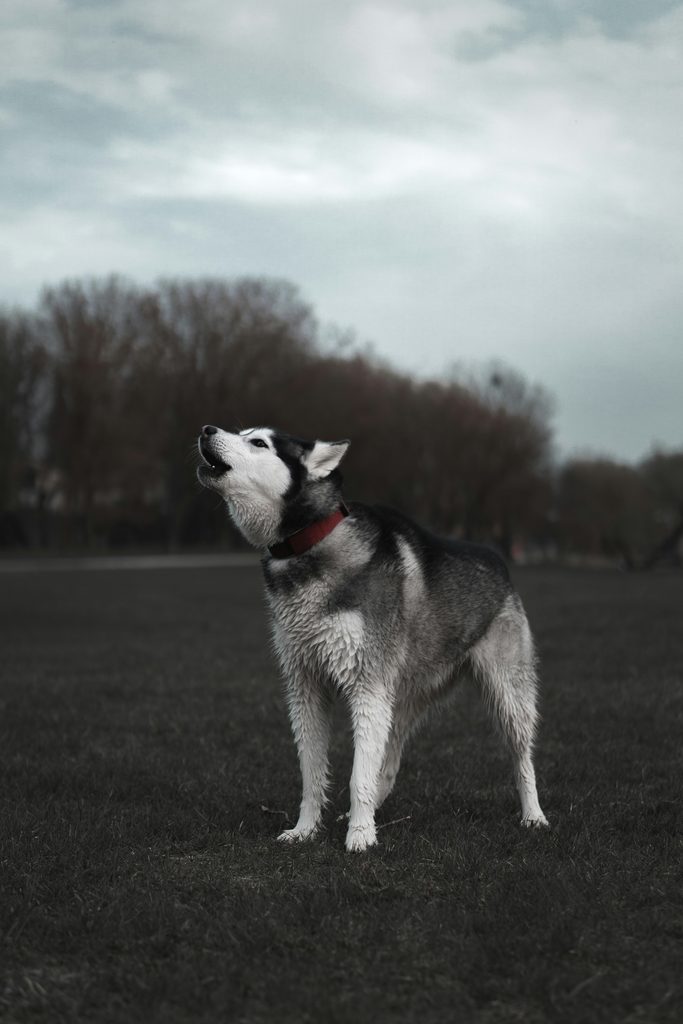
Our Siberian Husky believes she is the center of the universe. Not a theory — a firmly held conviction. If two people in the room start talking to each other, she assumes she’s being ignored, walks between them, and lets out a howl that says “excuse me, I was speaking.” She is wonderful. She is also a full-time job with fur.
Here’s the thing about dogs: a Golden Retriever will happily join your 5 a.m. hike. A Shih Tzu will happily join your 5 p.m. nap. Both are wonderful companions. They just have very different ideas about what a good day looks like. This guide to 50 popular dog breeds covers size, personality, exercise, and grooming — with the everyday trade-offs that cute puppy photos tend to leave out. At WonderNest, we think choosing a dog starts with your normal Tuesday, not your most adventurous holiday.
The breeds below appear in the AKC’s 2025 top 50. They’re grouped here for easier comparison, not ranked. Popularity reflects registrations, not a count of every dog in America. And a breed description is a starting point, not a personality guarantee — your individual dog will have opinions of their own. (Ours certainly does.)
Popular Dog Breeds: Quick Comparison
These eight examples show how different daily life with a dog can look. Weights are approximate breed ranges, not targets for an individual dog.
| Breed | Adult weight | May suit | Main commitment |
|---|---|---|---|
| Labrador Retriever | 55–80 lb | Active households | Exercise and shedding |
| Golden Retriever | 55–75 lb | Families who enjoy training | Brushing and activity |
| Havanese | 7–13 lb | People wanting close companionship | Coat care and company |
| Miniature Schnauzer | 11–20 lb | Owners wanting a lively small dog | Grooming and barking training |
| Border Collie | 30–55 lb | Dog-sport enthusiasts | Substantial mental work |
| Whippet | 25–40 lb | Owners offering walks and secure running | Chase management |
| Bernese Mountain Dog | 70–115 lb | Homes comfortable with a big dog | Heavy coat and larger costs |
| Great Dane | 110–175 lb | Owners prepared for giant dogs | Space and handling |
Small Dog Breeds
Small dogs need training, exercise, and boundaries too. Their needs do not shrink quite as neatly as their beds.
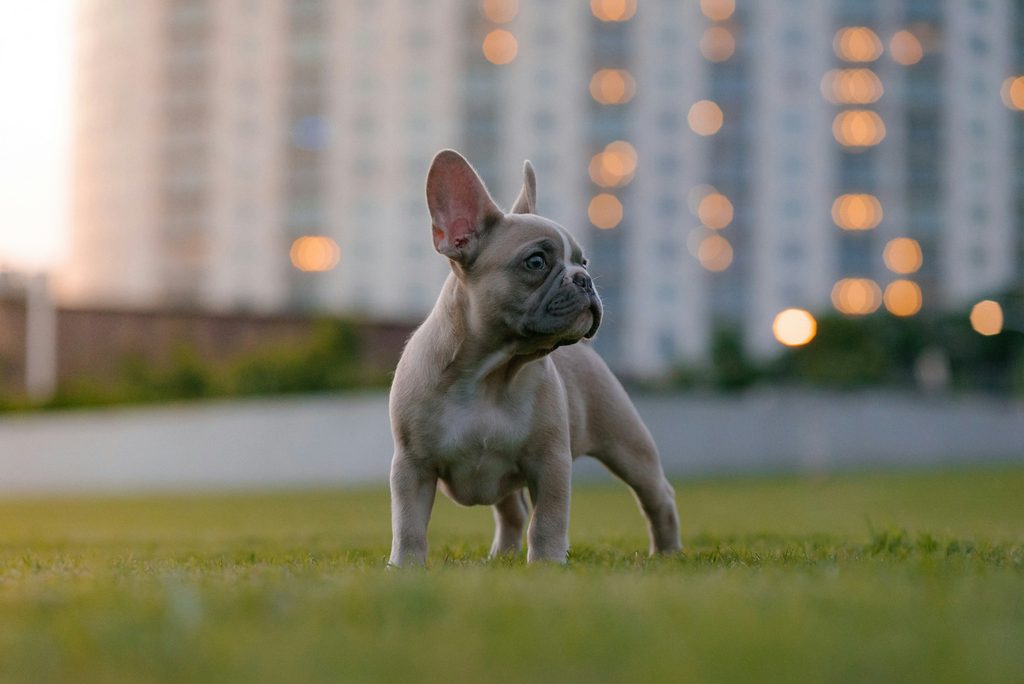
1. French Bulldog
Small. Affectionate Frenchies enjoy family company and gentle play. Their coats need modest brushing, but breathing problems and heat sensitivity can make their healthcare needs substantial. Cute, yes. Low-maintenance, no.
2. Dachshund
Small, in two varieties. Bold, curious Dachshunds enjoy sniffing games and patient training. Grooming varies by coat type. Their long backs need careful handling and sensible weight management — no flying leaps off the sofa, no matter how dramatic the occasion.
3. Cavalier King Charles Spaniel
Small. Gentle Cavaliers enjoy companionship and relaxed outings. Brush their silky coats regularly. Inherited problems, including heart disease, make documented health screening especially important.
4. Yorkshire Terrier
Toy. Yorkies are alert terriers with impressive confidence. They suit owners who enjoy interaction and training. Long coats need frequent attention; shorter haircuts still require upkeep.
5. Miniature Schnauzer
Small. Bright Miniature Schnauzers make lively walking companions. Schedule grooming and beard care. Teach quiet behavior early — some take their unofficial neighborhood-watch duties rather seriously.
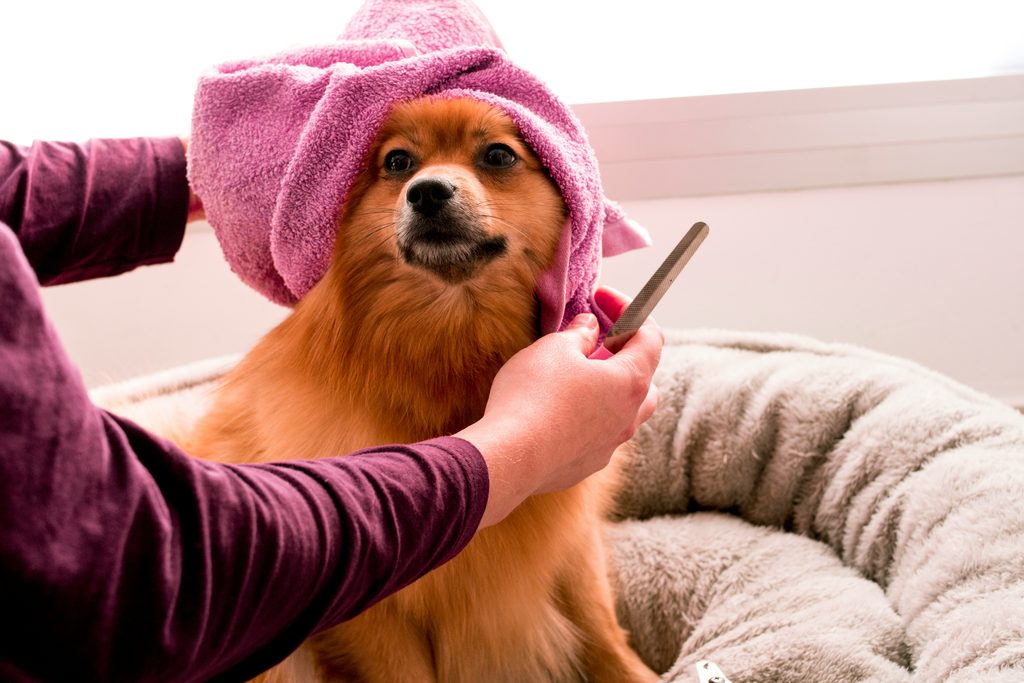
6. Pomeranian
Toy. Lively, curious Pomeranians enjoy attention and play. Brush through their dense coats, not just the surface. Gentle handling matters around children and much larger dogs.
7. Shih Tzu
Small. Shih Tzus enjoy companionship, play, and manageable walks. Long coats may need daily brushing. Keep facial hair tidy and consider breathing limitations during warm weather.
8. Boston Terrier
Small. Friendly, comical Bostons can bring plenty of energy to compact homes. Their coats need little fuss. Provide daily activity while taking care around heat and breathing difficulties.
9. Chihuahua
Toy. Chihuahuas can be devoted, alert companions. Build confidence with gentle socialization and training. Their tiny bodies need protection from rough play and cold, despite their bold personalities.
10. Havanese
Small. Sociable Havanese enjoy family involvement. They suit people wanting an interactive companion who can manage regular grooming. Practice comfortable alone time gradually rather than expecting instant independence.
11. Maltese
Toy. Affectionate and playful Maltese can suit smaller homes. Their silky coats need care even when trimmed short. Make time for activity, dental care, and gentle handling.
12. Pug
Small. Pugs often love company and play. Expect shedding and watch portion sizes. Their flat faces can cause serious breathing limitations, making health more important than comic appearance.
13. Papillon
Toy. Bright, lively Papillons often enjoy tricks and games. Their size does not make them passive lap ornaments. Brush their feathering and provide safe outlets for activity.
14. Shiba Inu
Small to medium. Independent Shibas suit patient owners comfortable with a less eager-to-please dog. Expect seasonal shedding. Secure fencing and leash management matter around tempting small animals.
15. West Highland White Terrier
Small. Confident Westies enjoy walks, sniffing, and reward-based training. Their coats need regular maintenance. Owners should be comfortable managing terrier habits such as digging and chasing.
16. Bichon Frise
Small. Cheerful Bichons enjoy companionship and play. Their fluffy coats require brushing and regular grooming. They suit households willing to invest time and money in coat care.
Medium-Sized Dog Breeds
This group includes energetic workers and more easygoing companions. Check the care needs before assuming the middle size is the easy option.
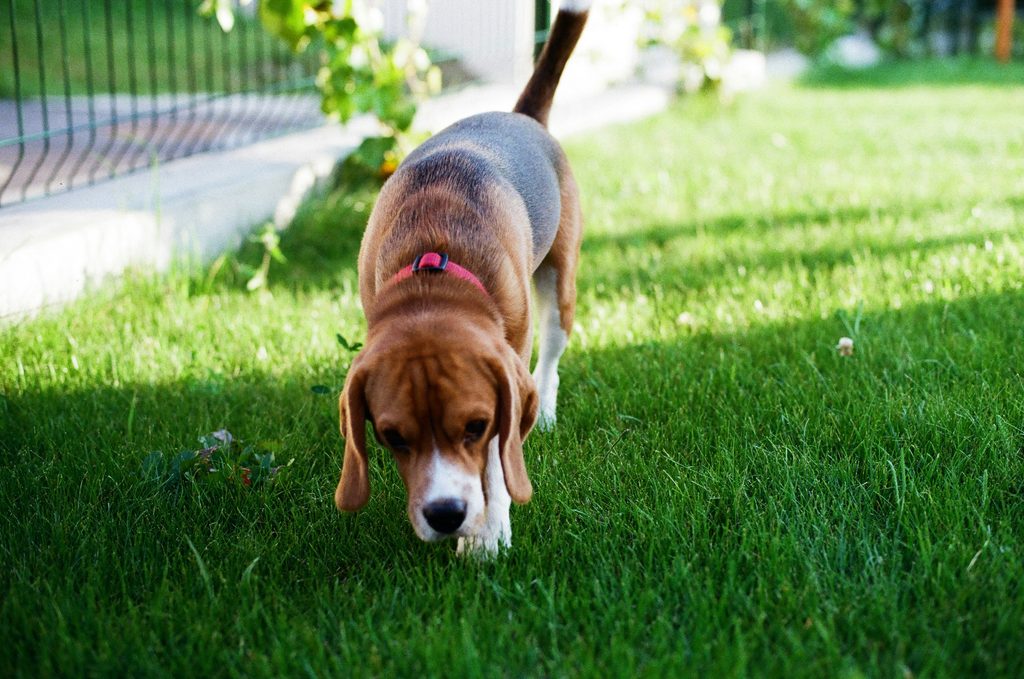
17. Beagle
Small to medium. Sociable Beagles often follow their noses before your suggestions. Offer scent games, walks, and secure space. Grooming is manageable, but their voices can carry.
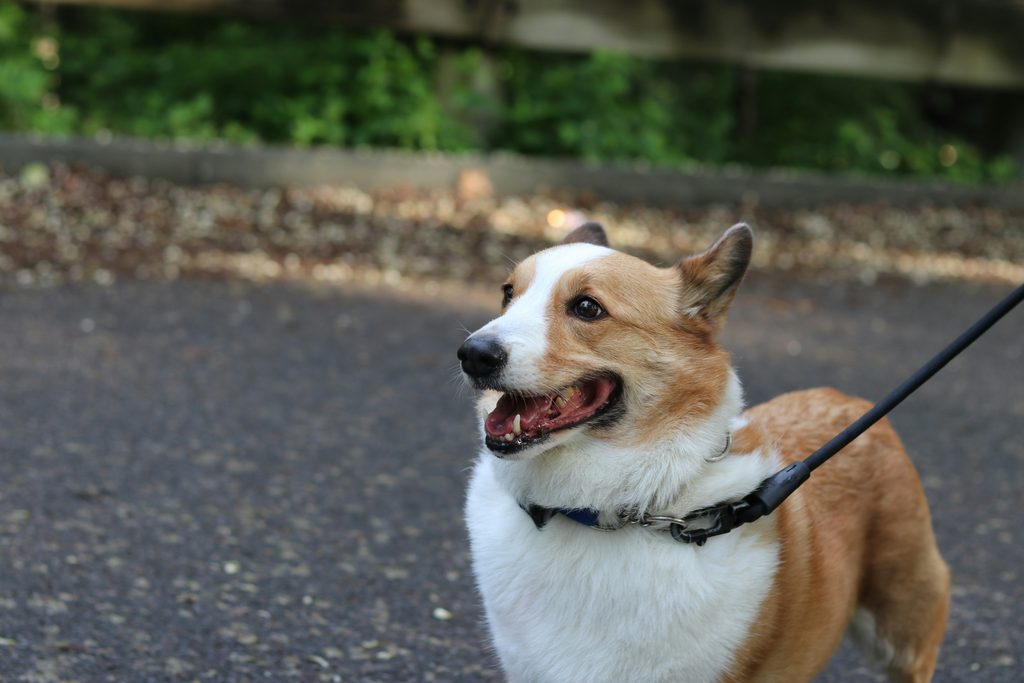
18. Pembroke Welsh Corgi
Small to medium. Corgis are busy herding dogs despite those short legs. Provide exercise and training, expect shedding, and redirect attempts to herd running children into appropriate games.
19. Border Collie
Medium. Quick-learning Border Collies suit owners who actively enjoy training. Walks alone may not satisfy them. Plan meaningful activities, brushing, and lessons in relaxing.
20. Miniature American Shepherd
Small to medium. These attentive herders need exercise, mental challenges, and brushing. Choose one because you enjoy active dogs, not because “miniature” sounds easier to manage.
21. Shetland Sheepdog
Small to medium. Sensitive, responsive Shelties often enjoy gentle training. Their thick coats need thorough brushing. Alert barking deserves attention, particularly when neighbors live close by.
22. Brittany
Medium. Energetic Brittanys suit outdoorsy owners offering regular exercise and scent activities. Check feathering after adventures and make reward-based training part of their everyday routine.
23. Cocker Spaniel
Small to medium. Affectionate American Cocker Spaniels can suit engaged families. Their coats require substantial grooming. Include ear checks and regular activity for this cheerful sporting dog.
24. Basset Hound
Substantial weight, short height. Bassets are often easygoing indoors and determined outdoors. Attend to ears and skin, provide steady walks, and manage portions — short legs carry considerable weight.
25. English Cocker Spaniel
Medium. Cheerful English Cockers enjoy games and outings. Brush feathering and monitor ears. Working lines can be especially energetic, so ask about the particular dog’s background.
26. Whippet
Medium. Affectionate Whippets often settle indoors after activity. Provide walks and secure running opportunities. Their coats are easy to maintain, but cold and chasing need consideration.
27. Australian Cattle Dog
Medium. Clever, task-focused Cattle Dogs suit owners who enjoy structured activity. Grooming is comparatively simple. Redirect herding behavior and provide challenges beyond a quick neighborhood stroll.
28. Bulldog
Medium, heavily built. Affectionate Bulldogs can have a steady manner, but care is not automatically easy. Breathing, skin folds, weight, and heat tolerance all need attention.
Sporting, Working, and Larger Companions
Sizes vary in this group; check each profile. Poodles also come in toy and miniature varieties.
29. Labrador Retriever
Medium to large. Sociable, enthusiastic Labs suit active households providing training and exercise. Expect shedding and food enthusiasm; the treat cupboard may become their favorite landmark.

30. Golden Retriever
Medium to large. Goldens often enjoy learning and family activities. Provide exercise and regular brushing. Their friendly reputation does not replace training or supervision around children.
31. German Shepherd Dog
Large. Intelligent German Shepherds thrive with thoughtful training and purposeful routines. Expect heavy shedding. They suit owners investing in socialization and engagement rather than relying on a yard.
32. Poodle
Toy, miniature, or standard. Intelligent, active Poodles need exercise and mental activities. Their low-shedding coats require regular brushing and clipping, whichever size fits your household.
33. Rottweiler
Large. Devoted, confident Rottweilers need early manners and positive socialization. Coat care is comparatively modest, but their strength requires responsible handling and a consistent training commitment.
34. German Shorthaired Pointer
Medium to large. Athletic and eager, these sporting dogs suit very active homes. Short coats are convenient, but substantial exercise and mental engagement remain everyday requirements.
35. Cane Corso
Large and powerful. Watchful Cane Corsos suit experienced, responsible owners. Prioritize socialization, reward-based training, and safe management. Simple coat maintenance does not make this guardian breed easy.
36. Australian Shepherd
Medium to large. Energetic Aussies often love learning. Provide outdoor time, training games, and brushing. Guide their behavior around moving children, bicycles, and other animals.
37. Doberman Pinscher
Large. Athletic Dobermans often bond closely with their households. Provide activity and thoughtful socialization. Their sleek coats need little fuss, but discuss cardiac health screening with your vet.
38. Boxer
Medium to large. Exuberant Boxers enjoy activity and companionship. Teach calm greetings before bouncing becomes overwhelming. Adapt exercise to health and weather; short coats do not prevent overheating.
39. Bernese Mountain Dog
Large. Affectionate Berners often enjoy family involvement. Expect substantial brushing and shed hair. They suit homes prepared for their size, grooming, and higher practical care costs.
40. Siberian Husky
Medium to large. Athletic Huskies need exercise and secure containment. Expect heavy shedding and possible vocal performances. Ours howls when two people talk to each other — she assumes she’s being left out. Owners must manage independence and chasing rather than assume reliable off-leash behavior.

41. English Springer Spaniel
Medium. Friendly Springers enjoy activity with their people. Provide training, exercise, and coat maintenance. Check ears and feathering after outings, particularly adventures involving irresistible muddy patches.
42. Belgian Malinois
Medium to large. Driven Malinois generally suit experienced working-dog or sport homes. They need sustained training and engagement. Impressive online videos are poor reasons to choose one.
43. Vizsla
Medium to large. Affectionate Vizslas often want close involvement with their people. Their coats are straightforward, but exercise and companionship needs favor active, available owners.
44. Collie
Medium to large. Sensitive, attentive Collies need activity and gentle training. Rough coats require more work than smooth coats. Guide barking and attempts to organize the household.
45. Rhodesian Ridgeback
Large. Independent, athletic Ridgebacks suit patient owners. Provide exercise, socialization, and secure space. Their coats are manageable, while strength and chasing instincts require reliable everyday handling.
46. Portuguese Water Dog
Medium. Bright Portuguese Water Dogs enjoy training and active family life. Curly or wavy coats need regular grooming, so owners must commit time to activity and maintenance.
47. Dalmatian
Medium to large. Athletic Dalmatians need exercise and consistent training. Their short hairs still shed. Discuss hearing and urinary health with a vet before choosing this spotted companion.
Giant Dog Breeds
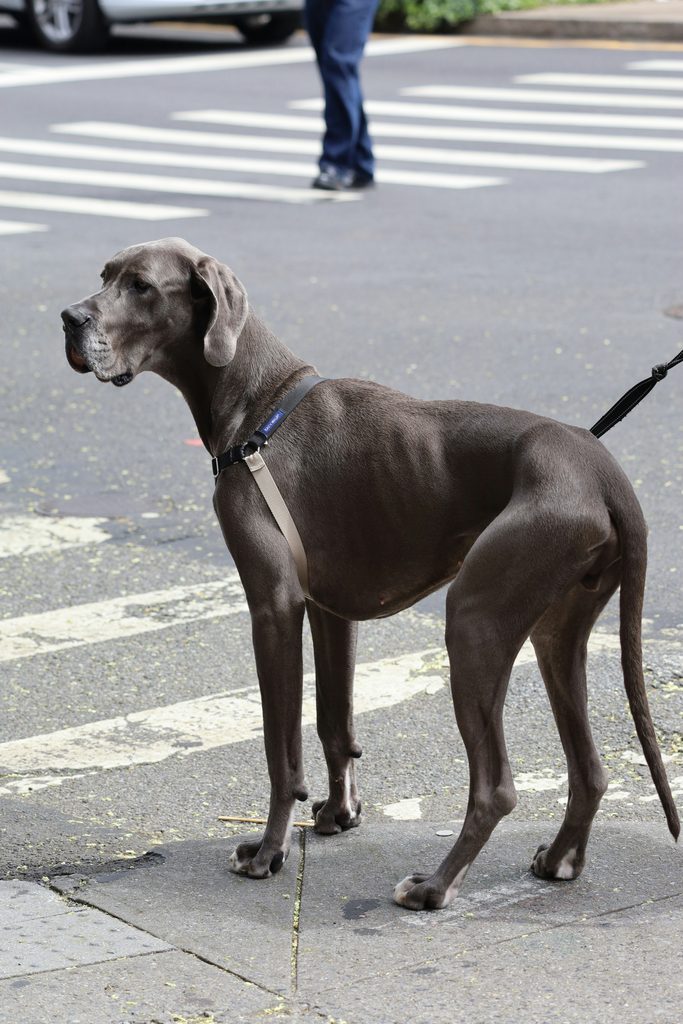
48. Great Dane
Giant. Great Danes can be affectionate, settled adults. Their size affects transport, bills, and handling. Teach leash manners early — kitchen counters may eventually sit conveniently at nose height.
49. Mastiff
Giant. Devoted Mastiffs are often comparatively calm adults. Provide socialization, suitable exercise, and manners. Consider drool, transport, and helping an enormous dog if mobility becomes difficult.
50. Newfoundland
Giant. Gentle Newfoundlands need substantial coat care, with shedding and drool included. Plan for giant-dog logistics, and supervise children around even the most patient individual.
How to Choose the Right Dog Breed
Match energy to your actual routine.
Write down what you can provide on a busy weekday. Include walks, training, play, and company. A fenced yard helps with management, but it does not replace shared activity. Age and health also affect an individual dog’s needs.
Be honest about grooming.
Would you rather vacuum more often or pay for regular haircuts? Many low-shedding coats need substantial maintenance. Ask a groomer about the breed before committing, and remember that all dogs need nail and dental care.
Consider everyone in the household.
Think about children, existing pets, visitors, noise, and time alone. The best family dogs are individuals whose behavior and needs fit that family. Meet the dog where possible, and ask how they respond to everyday situations.
Make health part of the decision.
Ask breeders for documented, breed-appropriate health testing of the parents, not just a claim that puppies have been vet-checked. With rescues, request available medical and behavioral history. Budget for routine care and unexpected treatment before bringing a dog home.
Look beyond puppyhood.
An adult dog’s size and established behavior may be easier to assess, although settling into a new home takes time. Consider breed rescues and shelters alongside responsible breeders. Mixed-breed dogs also deserve consideration, even though this list focuses on recognized breeds.

FAQ
What is the most popular dog breed in America?
The French Bulldog leads the AKC’s 2025 registration rankings, followed by the Labrador Retriever and Golden Retriever. That measures popularity among AKC registrations, not the entire U.S. dog population.
Which dog breeds are good for first-time owners?
Labradors, Golden Retrievers, Havanese, and Bichons can be worth considering, depending on exercise and grooming capacity. A suitable adult dog with a well-understood temperament may also be a good match. No breed arrives already trained.
Which popular dog breeds shed less?
Poodles, Bichons, Maltese, and Miniature Schnauzers are common lower-shedding choices. Their coats still need maintenance, and no breed is completely hypoallergenic. If allergies matter, seek medical advice and spend time with the particular dog before committing.
Can a large dog live in an apartment?
Sometimes. Consider the individual dog’s energy, noise, toilet access, and daily exercise rather than size alone. Building rules, stairs, and your ability to move a sick or injured dog also matter, especially with giant breeds.
Which Breed Should You Choose?
Among these popular dog breeds, the Labrador Retriever is WonderNest’s starting recommendation for active households willing to provide training, exercise, and company. Its sociable nature is appealing, but shedding and youthful enthusiasm come with the package.
For a smaller companion, consider a Havanese if regular grooming fits your budget. And if you’re drawn to a Husky? Go in with your eyes open. Ours is affectionate, dramatic, and convinced she is the main character. She sheds enough to knit a second dog and howls through every conversation she isn’t invited to join.
We wouldn’t trade her. But we also know exactly what we signed up for.
Choose the dog whose everyday needs you can happily meet. The right companion should fit your real life — muddy paws, dramatic howls, and all.
Disclosure: WonderNest earns a commission when you buy through links on this page, at no extra cost to you. We only recommend products that align with veterinary guidance.