
Dog Health 101: Essential Health Tips Every Dog Owner Should Know
Our Siberian Husky once ate something questionable in the backyard and spent the next twelve hours looking at us like we had personally betrayed her. She recovered fine, but that night taught us something important: dogs can’t tell us when something’s wrong. They rely on us to notice, to act, and to know when “a little off” means “call the vet.”
Keeping your dog healthy isn’t complicated, but it does require attention. This guide covers the essentials every dog owner should know — from recognizing warning signs to building a preventive care routine that catches problems early. We’ll walk through the most common health issues, what to watch for, and how to work with your vet to give your dog the best shot at a long, happy life. No medical degree required.
A quick note: this is general guidance, not veterinary advice. Every dog is different, and your vet knows your dog best.

Quick Comparison: Essential Health Checks at a Glance
| Health Area | How Often | What to Look For | When to Call the Vet |
|---|---|---|---|
| Dental health | Daily brushing, yearly vet check | Bad breath, bleeding gums, tartar | Persistent bad breath, difficulty eating |
| Weight & body condition | Weekly at-home check | Visible waist, ribs easy to feel | Sudden weight loss or gain |
| Ears | Weekly check, clean as needed | Redness, odor, discharge | Head shaking, scratching, pain |
| Eyes | Daily glance | Cloudiness, redness, discharge | Squinting, pawing, colored discharge |
| Coat & skin | Weekly brushing | Bald spots, itching, lumps | Persistent scratching, hair loss, new lumps |
| Energy & behavior | Daily observation | Activity level, appetite, thirst | Sudden lethargy, appetite loss, excessive thirst |
1. Dental Disease: The Most Common Problem You’re Probably Ignoring
Dental disease is the most commonly diagnosed health problem in dogs, affecting about 12.5% of dogs in a major UK study . By age three, most dogs show some sign of periodontal disease . The scary part? It’s not just about bad breath. Bacteria from infected gums can spread to the heart, liver, and kidneys .
What to watch for: Bad breath, bleeding gums, pawing at the face, dribbling, or loss of interest in chew toys .
What to do: Brush your dog’s teeth daily with enzymatic dog toothpaste. If daily is too much, aim for a few times a week. Never use human toothpaste — xylitol is toxic to dogs . Yearly professional cleanings under anesthesia remove tartar that brushing can’t reach .
Our experience: Our Husky tolerates toothbrushing with the enthusiasm of someone receiving a root canal without numbing. We do it anyway. Treats afterward help.

2. Ear Infections: Common, Painful, and Often Missed
Ear infections are the second most common diagnosis in dogs, affecting about 7.3% . Dogs with floppy ears (Cocker Spaniels, Basset Hounds) or hairy ear canals are at higher risk because moisture gets trapped, creating a perfect environment for yeast and bacteria .
What to watch for: Repeated scratching or rubbing of ears, unpleasant discharge, bad smell, head tilting or shaking, balance problems, or yelping when ears are touched .
What to do: Check your dog’s ears weekly. Look for redness, swelling, or excessive wax. Clean gently with vet-approved ear cleaner and cotton balls — never cotton swabs . If you see signs of infection, call your vet. Ear infections don’t resolve on their own.

3. Obesity: The Health Problem Hiding in Plain Sight
Obesity affects an estimated 30–60% of dogs and is linked to diabetes, arthritis, heart disease, kidney disease, and certain cancers . It can shorten a dog’s lifespan by about 2.5 years . The frustrating part? It’s completely preventable.
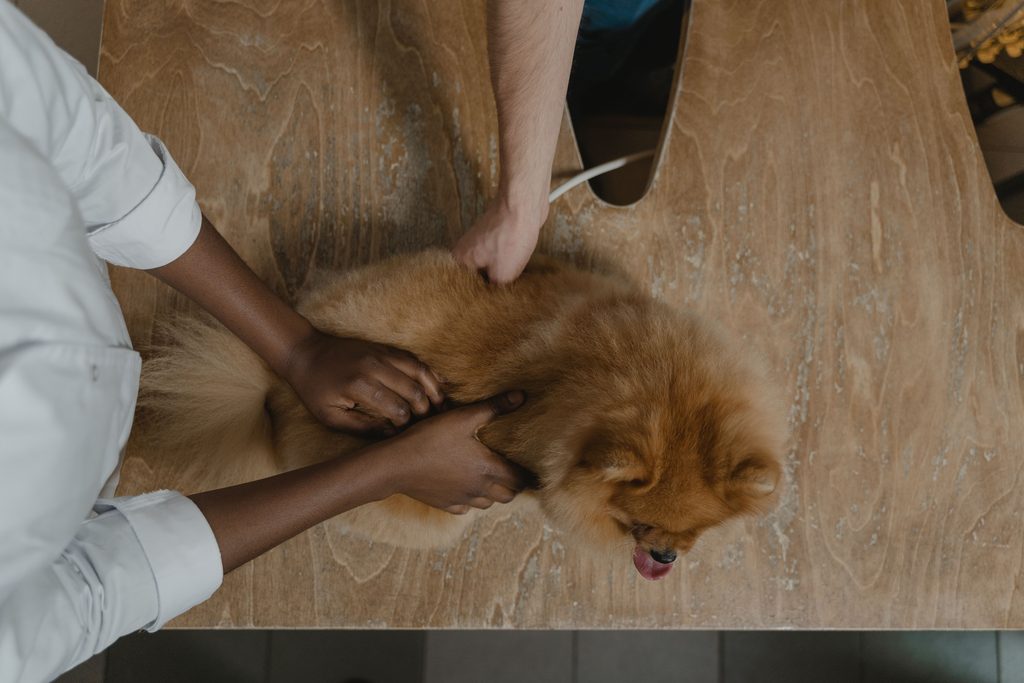
How to check: Look at your dog from above. There should be a visible waist between the ribs and hips. Run your hands along their sides — you should be able to feel the ribs without pressing hard .
What to do: Measure meals instead of guessing. Account for treats in daily calories. Keep treats to 10% or less of total intake . Exercise consistently — 30 minutes of aerobic activity daily is a good baseline for most dogs, adjusted for breed and age .
A hard truth: Your dog will act hungry even when they’re not. Those pleading eyes are a survival mechanism, not a nutritional assessment. You’re the one with the measuring cup.
4. Parasites: Invisible Threats Worth Preventing
Fleas, ticks, mosquitoes, and intestinal worms cause everything from skin irritation to life-threatening diseases like heartworm, Lyme disease, and ehrlichiosis . Many of these parasites are invisible until they’ve already caused problems.
What to do: Year-round flea, tick, and heartworm prevention is the standard recommendation . Your vet will test for heartworm annually and screen for intestinal parasites with a fecal test . Keep your dog on prevention even in winter — parasites don’t take holidays.
A note on poop: Cleaning up after your dog isn’t just polite. Roundworms and hookworms can infect humans, especially children, through accidental ingestion of contaminated soil . Wash your hands. It matters.
5. Vaccines: The Simplest Protection You Can Give
Vaccines prevent some of the most serious diseases dogs face: rabies, parvovirus, distemper, and hepatitis . A 2023 study found vaccinated dogs had 40% fewer cases of transmittable diseases .
The schedule: Puppies typically need vaccines every 3–4 weeks from about 6 to 16 weeks of age . After that, adult dogs need boosters — some annually, some every few years, depending on the vaccine . Your vet will tailor the schedule to your dog’s lifestyle and risk factors.
Non-core vaccines like Bordetella (kennel cough) and leptospirosis may be recommended based on where you live and what your dog does .
6. Routine Vet Visits: Your Best Early Warning System
Here’s a stat that should get your attention: a 2023 paper found dogs regularly evaluated by a vet were 30% less likely to develop chronic diseases . Annual exams catch problems before they become expensive, painful, or untreatable.
The schedule:
- Puppies: Every 3–4 weeks until about 16–20 weeks old
- Healthy adults (1–7 years): Once a year
- Seniors (7+ years): Twice a year, because older dogs develop problems faster and hide them better
What happens at a wellness visit: Physical exam, vaccine boosters, parasite prevention, dental check, and screening tests for early signs of disease . Blood work and urinalysis become more important as dogs age — chronic kidney disease, for example, often shows no symptoms until 75% of kidney function is already lost .

7. Knowing When to Call the Vet (Don’t Wait and See)
Dogs are experts at hiding illness. By the time they show obvious signs, the problem may already be significant. Here’s what warrants a call — today, not next week.
Call your vet if you notice:
- Loss of appetite for more than a day
- Vomiting more than once, or vomiting blood
- Diarrhea lasting more than 24 hours
- Excessive thirst or urination that persists
- Lethargy lasting more than two days
- Limping or reluctance to put weight on a leg
- Red, cloudy, or discharge-filled eyes
- Persistent scratching, hair loss, or red spots on skin
- Any new lumps or bumps
- Bad breath that doesn’t improve with brushing
Emergency — go immediately:
- Difficulty breathing
- Seizures
- Unconsciousness
- Suspected poisoning
- Trauma (hit by car, fall from height)
- Bloated, hard abdomen
- Collapse or inability to stand
When in doubt, call. Most vets would rather answer a question than treat a crisis.

8. Body Condition: The Skill Every Owner Should Learn
You don’t need a scale to know if your dog is healthy. You need your hands and your eyes.
The rib check: Run your fingers along your dog’s ribcage. You should feel ribs easily, with a thin layer of fat covering them. If you can’t feel them, your dog may be overweight. If they’re very prominent, your dog may be underweight .
The waist check: Look at your dog from above. There should be an indentation behind the ribs. From the side, the belly should tuck up toward the hind legs .
The weekly check-in: Pick one day a week. Weigh your dog if possible, or just do a hands-on check. Small changes are easier to address than big ones.
9. A Healthy Coat and Skin: What’s Normal, What’s Not
A healthy coat is glossy and pliable, without dandruff, bald spots, or excessive oiliness. Healthy skin is flexible, without scabs, growths, or red areas .
What to watch for: Persistent scratching, licking, or chewing at paws. Redness, rashes, or hot spots. Hair loss that isn’t seasonal shedding. New lumps or bumps .
Seasonal allergies: Spring and summer bring pollen, which can cause itching, paw licking, and redness. Rinsing your dog’s paws and coat after walks can remove allergens before they cause irritation .
A grooming note: Regular brushing isn’t just cosmetic. It distributes natural oils, removes loose hair, and gives you a chance to check for skin issues before they become serious .
FAQ
How often should I take my dog to the vet?
Puppies need visits every 3–4 weeks until about 16 weeks old. Healthy adult dogs (1–7 years) should go once a year. Senior dogs (7+) benefit from twice-yearly checkups .
What are the most common health problems in dogs?
The top three are dental disease, ear infections, and obesity . All three are largely preventable with consistent at-home care and regular vet visits.
Can I tell if my dog is sick without a vet visit?
You can recognize warning signs — appetite changes, lethargy, vomiting, diarrhea, excessive thirst, limping, or behavior changes. But recognizing a problem isn’t the same as diagnosing it. If something seems off for more than a day or two, call your vet .
How can I keep my dog healthy long-term?
The evidence is clear: regular vet care, a healthy weight, daily exercise, dental hygiene, parasite prevention, and social interaction all contribute to a longer, healthier life. A 2023 study found dogs with regular vet care were 30% less likely to develop chronic diseases .
Conclusion: Small Habits, Big Difference
Dog health isn’t about grand gestures or expensive treatments. It’s about the small, consistent habits that add up over years: brushing teeth, checking ears, measuring meals, keeping up with vet visits. It’s about knowing your dog well enough to notice when something’s off, and acting on it instead of waiting.
If there’s one takeaway from all of this, it’s this: know your dog’s normal. You are their best early warning system. You know how they eat, how they sleep, how they play. When something changes, you’ll notice it first. Trust that instinct. Call the vet. Ask the question.
And remember: your dog doesn’t need a perfect owner. They need someone who pays attention — and who forgives them for eating the occasional questionable backyard item. Ours has forgiven us for a lot. We try to return the favor.
Affiliate note: WonderNest may earn a commission from qualifying purchases made through affiliate links, at no additional cost to the reader.