Puppy Training Schedule by Age: A Gentle, Slightly Chaotic Guide for New Dog Parents
Our puppy cried. A lot. Not the poetic, single-tear kind of crying — the kind that makes you wonder if the neighbors are drafting a group text about you. We tried the blanket trick, the warm water bottle, the soft radio. What finally helped was time, a crate near the bed, and accepting that the first week is basically a sleep-deprivation experiment with a very cute test subject.
Here’s the funny part: potty training? Easy. Biting? Barely an issue. But adolescence? Oh, adolescence had opinions. If you’re reading this with a tiny tornado currently asleep on your foot, take a breath. This guide walks you through a realistic puppy training schedule by age — what to teach, when to teach it, and how to keep your sense of humor intact. We’ll cover crate training, house training, socialization, and the treats that make it all work. No judgment, no perfection required.
Quick Comparison Table: Training Treats for Every Stage
Training without treats is like trying to start a car with no gas — technically possible, but you’re going to work a lot harder than necessary. Here’s a quick look at some US favorites.
| Product | Best For | Price (USD) | Rating |
|---|---|---|---|
| Wellness Soft Puppy Bites | Younger puppies, soft texture | ~$10 for 8 oz | 4.5/5 |
| Blue Buffalo Baby BLUE Bits | Value-friendly, easy to break | ~$5 for 4 oz | 4.5/5 |
| Pupford Freeze-Dried Training Treats | High-value rewards, picky pups | ~$17 for 4 oz | 4.5/5 |
| Pet Botanics Training Rewards | High-repetition sessions | ~$17 | 4.6/5 |
| Bil-Jac Little Jacs | Soft, liver-based, small-breed friendly | ~$10–$20 | 4.8/5 |
Treats aren’t the whole story — they’re just the delicious punctuation marks. Let’s get to the actual schedule.
Puppy Training Schedule by Age: What to Teach and When
8–10 Weeks: The “Everything Is New and Slightly Terrifying” Phase
Your puppy has just left their mother and littermates, which means they’ve lost their built-in teachers. That’s you now. This early period is less about “commands” and more about routines, trust, and laying the foundation for everything that follows.
Potty Training: This is your first priority. Puppies at this age need to go out every 45–60 minutes, plus immediately after eating, drinking, playing, or napping. Don’t wait for them to signal — they don’t know how yet. Take them to the same spot, wait quietly, and when they go, throw a tiny party. Praise, treats, the whole thing. Accidents inside aren’t defiance; they’re a cue that you missed a potty break. (Ours practically trained himself. Yours might too. Or might not. Both are normal.)
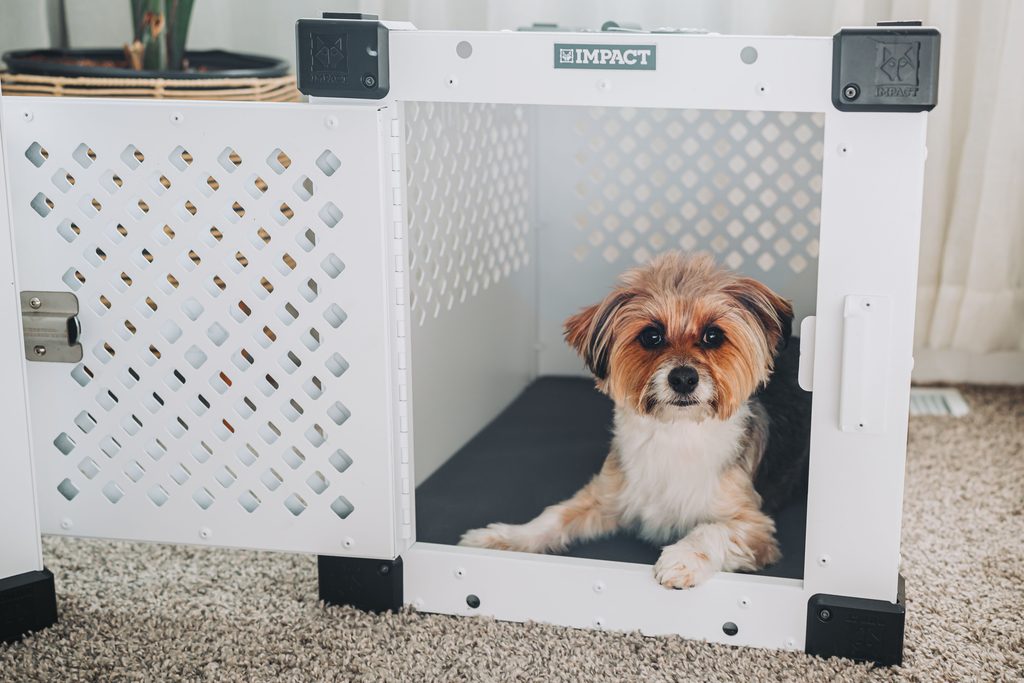
Crate Training: This is where the crying happens. The crate should feel like a cozy den, not a tiny prison. Feed meals inside with the door open, toss in treats randomly throughout the day, and never use it as punishment. At night, place the crate near your bed so your puppy can hear and smell you. Expect at least one middle-of-the-night potty break at this age — it’s not a training failure, it’s biology. And if your puppy cries? Ours did. Loudly. For what felt like weeks. It does end. I promise.
Name Recognition and Basic Cues: Say your puppy’s name, and when they look at you, reward it. That’s it. You’re teaching them that paying attention to you is the best game in town. Fun fact: the first command our dog actually learned was “come.” Not “sit.” Not “stay.” “Come.” Which was adorable until we realized he’d only come if we were holding something edible. Progress is progress.
Handling and Socialization: Gently handle paws, ears, and mouth for short periods daily. This builds tolerance for vet visits and grooming later. Socialization at this stage means safe exposure to new people, sounds, and surfaces — all paired with treats so “new” predicts “good.”
10–12 Weeks: The Socialization Sweet Spot
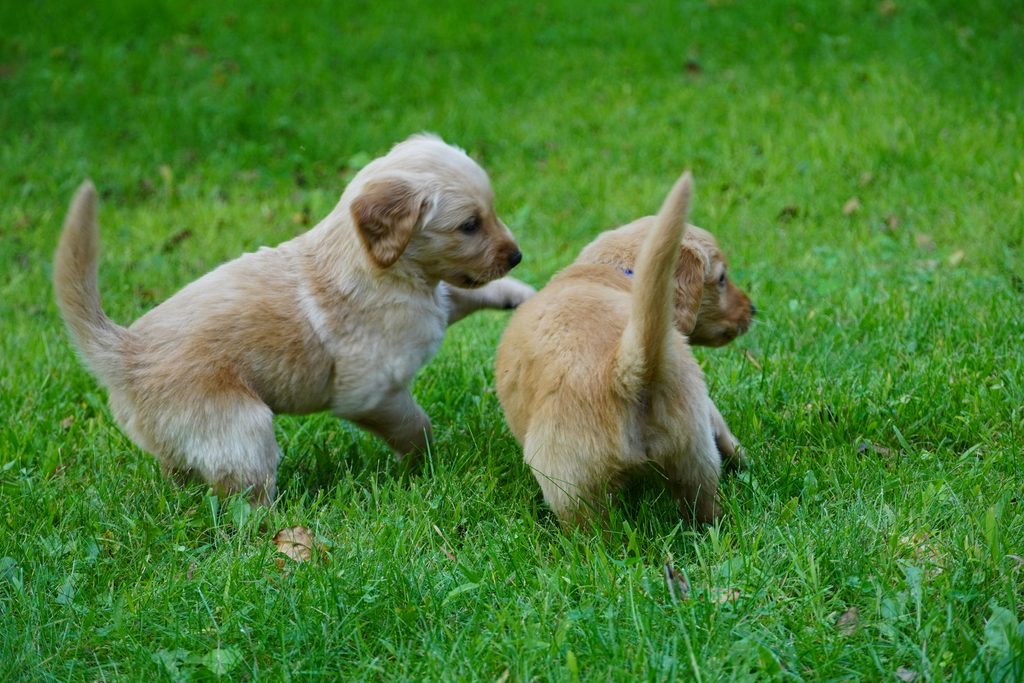
If you only get one thing right in your puppy’s first few months, make it socialization. Between roughly 8 and 14 weeks, your puppy’s brain is especially receptive to learning that the world is safe and people are friendly. Miss this window, and you’ll spend months (or years) playing catch-up.
Expand the Cue Vocabulary: Now you can add “come,” “down,” and “stay” (with very short durations). Keep sessions to 2–3 minutes, several times a day — puppy attention spans are famously tiny. End on a success, even if it’s a small one.
Socialization Missions: Aim for exposure to new people, surfaces, and sounds each week. A friend’s hallway, a different type of flooring, the sound of a vacuum cleaner from a distance — all of it counts. The rule is simple: pair every new experience with treats and praise.
Crate Duration: You can start building short periods of alone time in the crate, beginning with a few minutes and extending gradually. At this age, a puppy can typically hold their bladder for about two to three hours during the day.
Introduce the Leash Indoors: Let your puppy drag a lightweight leash around the house under supervision, and reward them for walking beside you. No pressure — just familiarity.
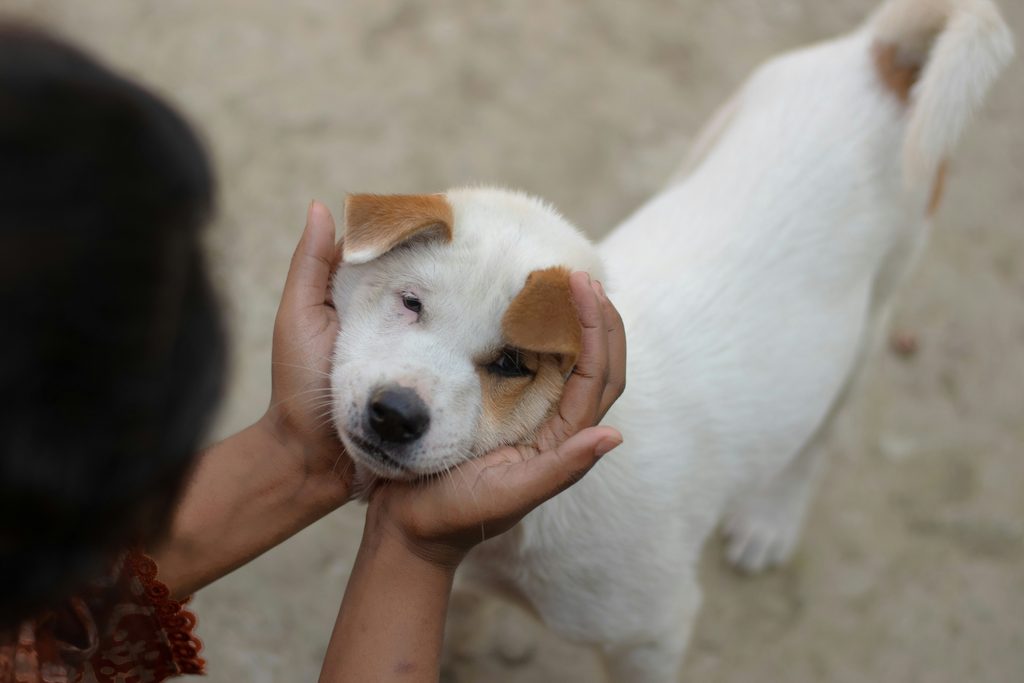
12–16 Weeks: The “I Have Opinions” Phase
By now, your puppy has settled in and is starting to feel a bit more confident. This is wonderful for training, but it’s also when they might start testing boundaries. Stay consistent. The rules don’t change just because your puppy has discovered their voice.
Advanced Cues and Duration: Work on “stay” with gradual increases in time and distance. Introduce “leave it” and “wait” at doorways. Practice recall in low-distraction environments first — your backyard, not the dog park.
Loose-Leash Walking: If vaccinations are complete, you can venture out for short walks. Reward any slack in the leash. If your puppy pulls, stop moving until they return to your side. This teaches them that pulling gets them nowhere, literally.
Puppy Classes: Once vaccinated, a structured puppy class is worth its weight in gold. It provides controlled socialization with other puppies and gives you access to a trainer who can spot issues before they become habits.
Bite Inhibition: Not every puppy goes through a land-shark phase. Ours didn’t. But if yours does, here’s the move: when teeth touch skin, say “ouch,” end play for ten seconds, then resume. This teaches a soft mouth without punishment. If your puppy never bites, count your blessings and move on.
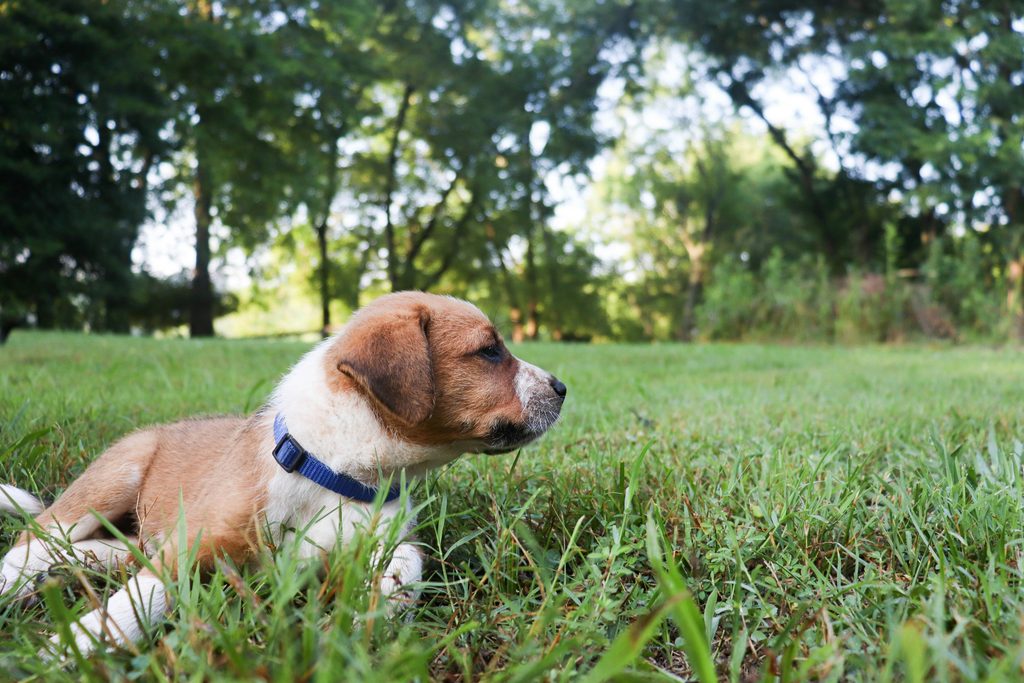
4–6 Months: The “Teenager With a Chew Toy” Phase
At four to six months, your puppy is entering adolescence — the canine equivalent of a teenager who just discovered loud music and knows everything. This was, hands down, the naughtiest phase for our dog. Not biting. Not potty training. Adolescence. The rules you taught suddenly needed re-teaching, and the recall that worked perfectly in the kitchen suddenly evaporated in the park.
Generalize the Cues: Practice everything you’ve taught in new environments. A “sit” in your kitchen is great, but a “sit” on a busy sidewalk is a different skill entirely. Reward generously for focus in distracting settings.
Extend Recall: Use a long line (15–30 feet) for recall practice before ever considering off-leash freedom. Make coming to you the best thing that ever happens — high-value treats, praise, play.
Teething Support: Keep plenty of appropriate chews on rotation to redirect gnawing. A bored puppy with sore gums is a recipe for destroyed furniture.
Continue Crate Training (Even If You Don’t Need It): Even if your puppy is house-trained, continue periodic crate time so it remains a positive, familiar space. This is invaluable for travel, vet visits, and emergencies.
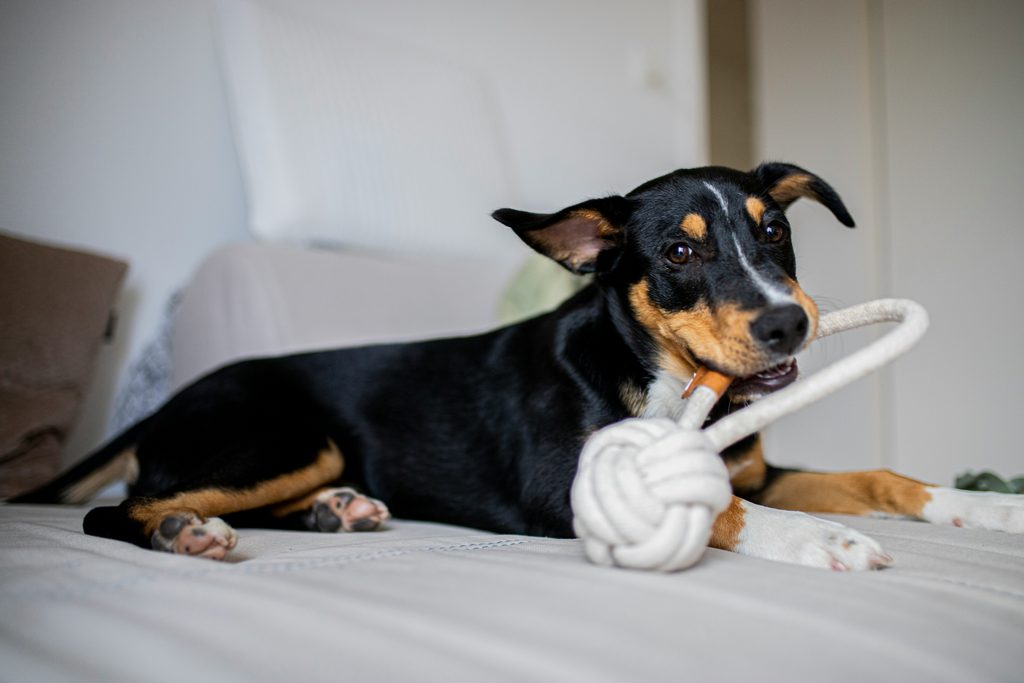
Buyer’s Guide: What to Look for in Puppy Training Treats
Not all treats are created equal, and the best treat depends entirely on what you’re asking your puppy to do.
Size and Texture: Training treats should be pea-sized and soft. Soft treats are quick to eat, which means less time chewing and more time training. Hard biscuits can crumble and distract, and large treats take too long to finish, breaking the flow of your session.
Value Tiers: Think of treats in three categories: low, medium, and high value. Kibble works for behaviors your puppy already knows well. Medium-value treats work for familiar cues in slightly distracting environments. High-value treats — the smelly, meaty ones — are for teaching new skills or working in challenging environments. A good rule: the harder the task, the stinkier the reward.
Ingredients: Look for recognizable protein sources as the first ingredient. Avoid artificial colors, preservatives, and excessive fillers. Single-ingredient freeze-dried treats are excellent for puppies with sensitive stomachs.
Calorie Awareness: Training treats should make up no more than 10 percent of your puppy’s daily calories. This is easy to forget when you’re doing a hundred reps of “sit,” so small, low-calorie treats are your friend.
Variety: Just like humans, dogs get bored with the same snack. Having two or three different types of treats in rotation keeps your puppy engaged and interested.
FAQ
How long can a puppy stay in a crate?
Use the age rule: about one hour per month of age, plus one. A two-month-old puppy can manage roughly two to three hours during the day, while a four-month-old can handle about four. Never crate a young puppy for a full workday — arrange for a potty break or a dog walker if you’ll be away longer.
When should I start training my puppy?
The day you bring them home. Most puppies come home at around eight weeks, which is an excellent time to start establishing routines and introducing basic concepts. Training at this age looks more like guided play than formal obedience, and that’s exactly as it should be.
What are the most important things to teach first?
Potty training and crate training are the two biggies for household harmony. Alongside those, work on name recognition, a simple “sit,” and socialization. The rest can wait.
Why won’t my puppy listen at home but ignores me outside?
This is completely normal. Training in a low-distraction environment (like your living room) is easier than training in a high-distraction environment (like a park with squirrels). The fix is gradual: practice in progressively more distracting places, and use higher-value treats when the environment gets tougher.
Conclusion: Your Top Pick for Treats and a Gentle Reminder
If you’re looking for a treat that works across ages and training scenarios, Wellness Soft Puppy Bites is a solid top pick. They’re soft, small, low-calorie, and made with recognizable ingredients — exactly what you want for frequent rewarding without turning training into a calorie-fest.
But here’s the thing about a puppy training schedule by age: it’s a guide, not a gospel. Every puppy learns at their own pace. Some weeks will feel like a triumph. Others will feel like you’re speaking a foreign language to a small, furry alien. That’s normal. Consistency matters more than perfection. Short, frequent sessions beat marathon training marathons every time. And when you’re frustrated, remember that your puppy isn’t giving you a hard time — they’re having a hard time. A little patience, a pocket full of treats, and a sense of humor will carry you through.
Ours cried through the first week. Then he learned “come.” Then he became a teenager and forgot everything. And now he’s a full-grown dog who still comes when we call — most of the time. You’ll get there too.
Disclosure: WonderNest earns a commission when you buy through links on this page, at no extra cost to you. We only recommend products that align with veterinary guidance.